
Hanfu & Aesthetics · Hangzhou
Buying Song-Style Hanfu in Hangzhou (2026): Price & Fabric Guide
Hubin Pedestrian Street in 2026 is no longer Tang cosplay glitter—it is vertical Song lines, matte ramie, and pieces you can wear to a coffee shop. You are shopping for summer streetwear, not a one-night costume.
Song-style Hanfu in Hangzhou trades heavy layering for straight, breathable lines—the dynasty’s “quiet luxury” before the phrase existed. Compare with opulent Tang Dynasty Hanfu or rent for photos in Suzhou & Hangzhou photo spots if you only need a shoot, not a wardrobe.
The aesthetic shift: observation from Hubin
Over the past year, Hangzhou street fashion leaned toward softer colors and simpler cuts. Neo-Confucian restraint translates into parallel lines that elongate the body—not the Tang “costume party” look.
The driver is the Beizi (褙子), a straight-collar outer jacket. To see this style in its natural habitat, get to the source. If you are coming from Shanghai, the most efficient move is to book high-speed rail to Hangzhou East—a ~45-minute trip into the Southern Song capital heartland (Trip.com train booking guide).
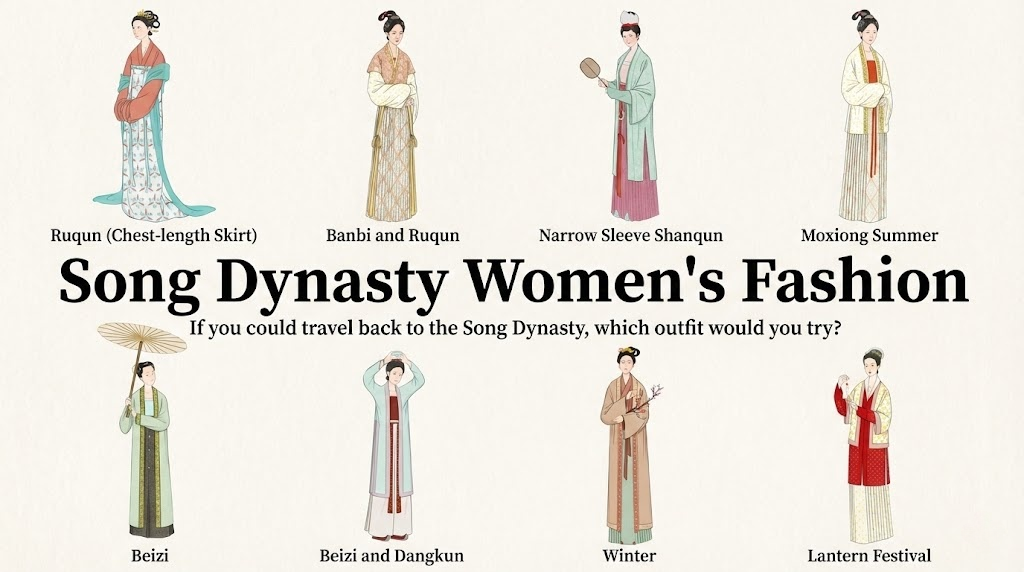
Unlike the restrictive cross-collar robes of other eras, the Beizi hangs open, creating a vertical frame that functions exactly like a modern trench coat or duster cardigan.

Logistics & payment on the ground
Sort digital rails before you touch fabric in specialist markets.
- Digital-only payments: Most independent silk tailors do not swipe foreign cards. Link Alipay for tourists and WeChat Pay; carry ~500 RMB cash for older stalls.
- Connectivity: Translate fiber labels and negotiate in real time—not on patchy market Wi-Fi. Activate Trip.com China eSIM or Airalo before you fly.
- Research access: For Instagram checks and banking OTPs, see VPN vs eSIM in China.
Policies and payment acceptance vary by region and may change in 2026. Confirm with your embassy and card issuer before you travel.
Essential Song wardrobe: three interchangeable pieces
You do not need a full ceremonial set—build a capsule that mixes with Western basics.
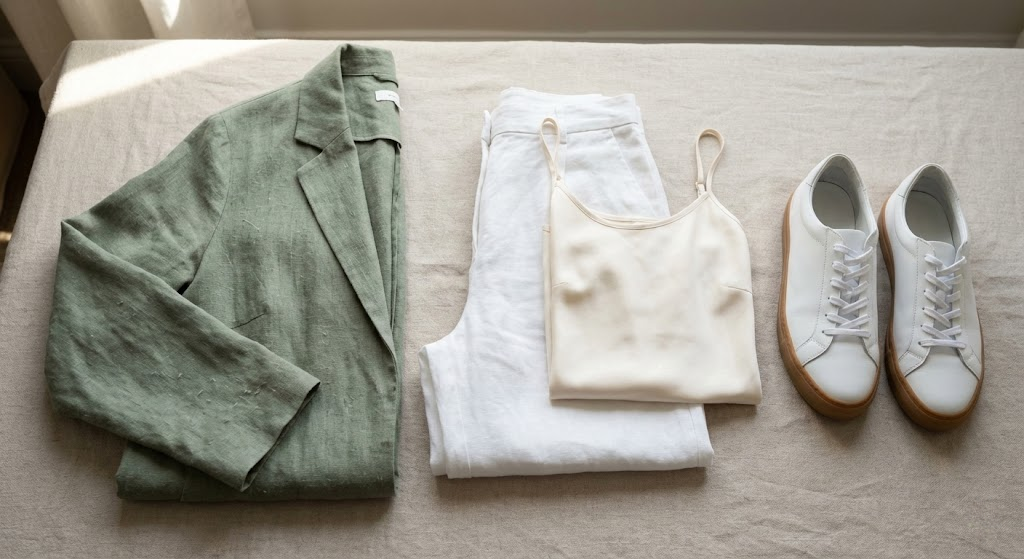
1. The Beizi (duster coat)
Knee- or calf-length straight collar; functions like a lightweight trench. For travel, choose Zhaixiu (narrow sleeve) so cuffs stay out of your noodles.
2. Song ku (wide trousers)
Outerwear culottes—unlike Ming horse-face skirts, they survive Huangshan hikes and HSR sprints. Pack a hem clip for squat toilets.
3. Moxiong (base layer)
Square-cut bodice historically; a quality camisole or bra top delivers the same silhouette under an open Beizi.
Quick analysis: is Song style right for you?
| Pros (why buy) | Cons (trade-offs) |
|---|---|
| Best historical style for 30°C+ humidity | Authentic ramie has zero stretch—size precisely |
| Beizi pairs with jeans and sneakers | Natural fibers wrinkle in luggage |
| Trousers work for walking tours | Wide legs need management in squat toilets |
Fabrics & authenticity: avoid the polyester trap
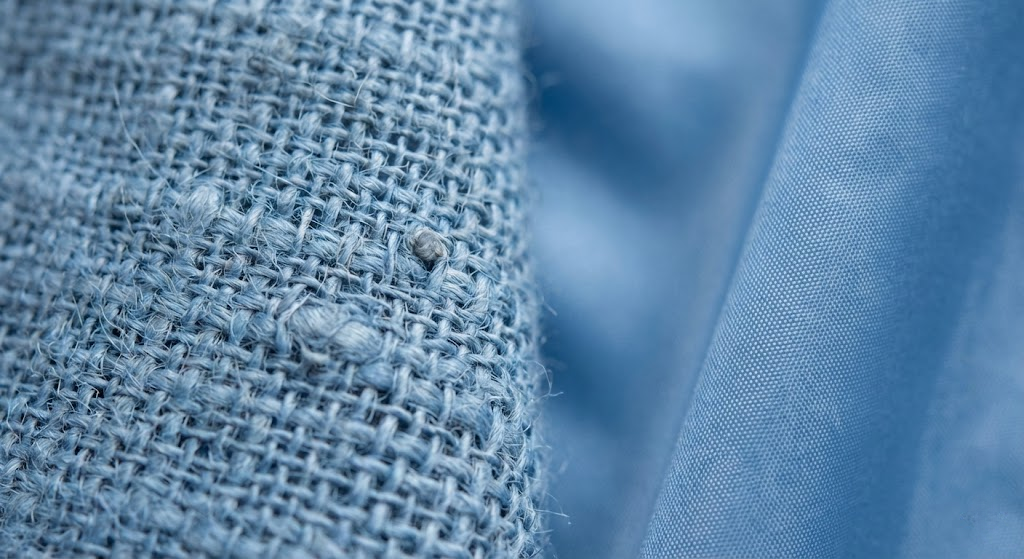
Pattern without texture kills the quiet-luxury look. Shiny, static-clinging polyester collapses the aesthetic instantly.
A 120 RMB “linen-look” set that melts under a hotel iron is the classic failure—if it feels slick or soapy, put it back.
The material trinity
- Ramie (china grass): Gold standard for summer—crisp, structured, zero stretch. Measure twice.
- Hemp blends: Durable for travel days.
- Raw silk: Look for matte finishes, not satin. Song silk was often woven with a subtle texture.
Three market scams to expect in 2026
- Sample switch: Try on ramie, receive poly in the bag—open and feel before you pay.
- “Pure silk” blend: Ask for a loose thread; evasive answers mean viscose or cotton mix.
- Deposit trap: Custom work: never more than 30% upfront; balance on inspected pickup.
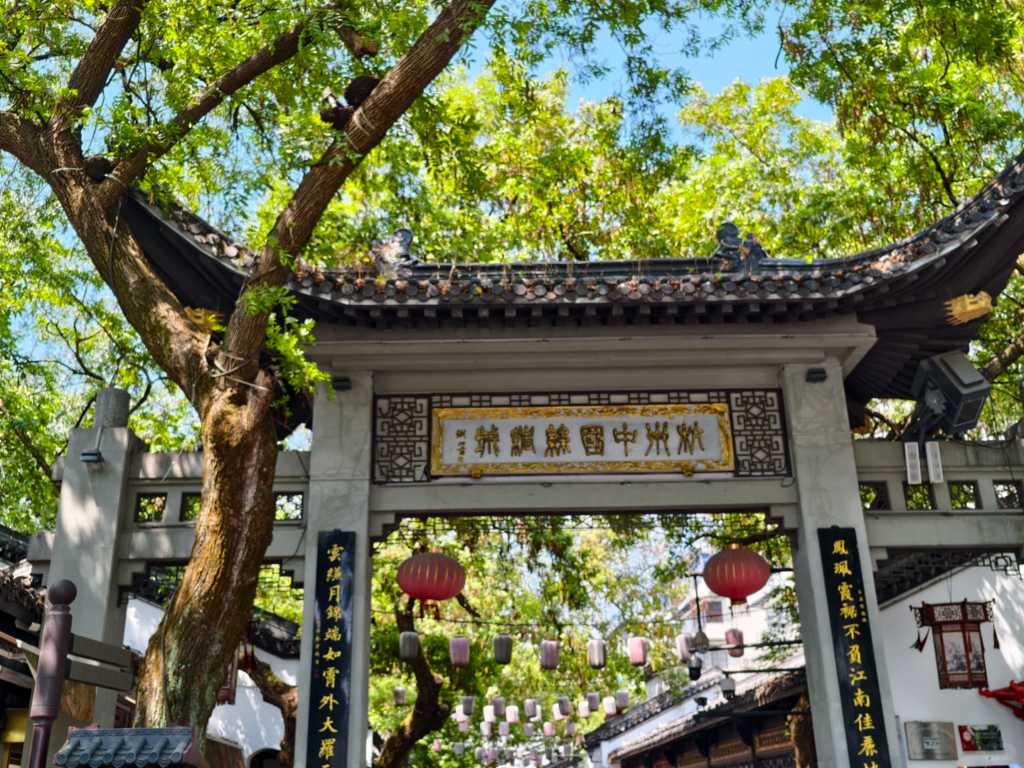
Step-by-step: buying at China Silk City (Xinhua Road)
Rapid checklist
Alipay/WeChat linked • 500 RMB cash backup • offline translation • price-tier screenshot below • arrive before 11:00 AM.
Timing
- Avoid: May Day and National Day weeks—prices spike ~30%, tailoring queues explode.
- Best: Tuesday/Wednesday morning before tour buses.
- Stay: Trip.com hotels near Wulin Square for walking distance to the silk district (foreigner-friendly hotel steps).
Price tiers (early 2026 quotes, five stalls)
| Tier | Price (RMB) | Material | Wait | Best for |
|---|---|---|---|---|
| Tourist grade | 80–150 | Poly / chiffon blend | Immediate | One-time photos |
| Market standard | 250–450 | Linen / cotton blend | Immediate | Daily wear |
| Semi-custom | 500–900 | Ramie / low-grade silk | 24–48 h | Serious travelers |
| Bespoke | 1,500+ | Mulberry silk | 7+ days | Collectors / formal |
Negotiation
Ask for pi fa jia (wholesale price). Vendors may inflate quotes if you grill them on 1127 AD authenticity—ask about fabric care and durability instead. A quality linen/ramie Beizi often lands 400–800 RMB ($55–$110 USD) after haggling.
Transport
Station: Hangzhou East (Dong) is the main HSR hub. Booking window: Tickets sell out fast. Book high-speed rail at least 3–5 days in advance, even on regular weekends.
Online keywords (Taobao / JD to hotel)
Search: 宋制汉服 + 日常 + 极简. Avoid 仙 (fairy) and 古装 (costume)—those surface cheap photo props. Prefer shops that shoot on streets, not smoke-machine studios.
Style Song Hanfu for modern life
- Streetwear: Sheer ramie Beizi over a white tee; high-waisted denim or black slacks; white sneakers.
- Office: Charcoal Beizi over business casual reads like a breathable blazer in humid summers.
- Do not: Oversize shoulders into sloppy drape; mix Song Beizi with Ming horse-face skirts (silhouette clash).
Renting instead of buying? See how to rent Hanfu in China for deposit and makeup logistics.
Bottom line
Song Hanfu in Hangzhou is wearable history for humid Jiangnan—if you buy ramie, not poly. Hold Hangzhou East trains early, stay near Wulin, and budget one full morning at Silk City before summer stock thins.
FAQ: Song-style Hanfu in Hangzhou
Is Song Hanfu comfortable for all-day walking?
Yes—among major dynasties it is the lightest for tours, especially with Song ku trousers instead of heavy wrapped layers.
Can I wear it on metro or at temples?
Treated as respectful cultural dress, not cosplay. Keep sleeves from blocking aisles; choose muted colors at temples.
Do vendors take cash?
Legal yes; practical often no for large notes. Digital wallets linked to foreign cards are smoother.
Hot weather suitability?
Open-front Beizi and wide legs maximize airflow versus Tang or Ming layering.
Need an appointment for Silk City?
No—public market. Arrive before 10:00 AM for tailor attention before tour buses.
Hotel-sink wash okay?
Ramie/cotton: cold water, drip dry. Real silk: dry clean only—shrinks and water-stains easily.
Is Hanfu offensive for foreigners?
Welcomed as appreciation in Tier-1 cities. Pair a Hangzhou buy with our Jiangnan Hanfu photography guide if you want both wardrobe and shots.