ChineseSocial Customs — The Unwritten Rules Every Traveler Needs
China’s social landscape runs on invisible rules that no one explains to foreigners. Face culture, dining etiquette, gift-giving taboos, and digital social codes — master these and you will transform from awkward tourist to respected guest.
 Peter Wilson
May 2026
20 min read
Peter Wilson
May 2026
20 min read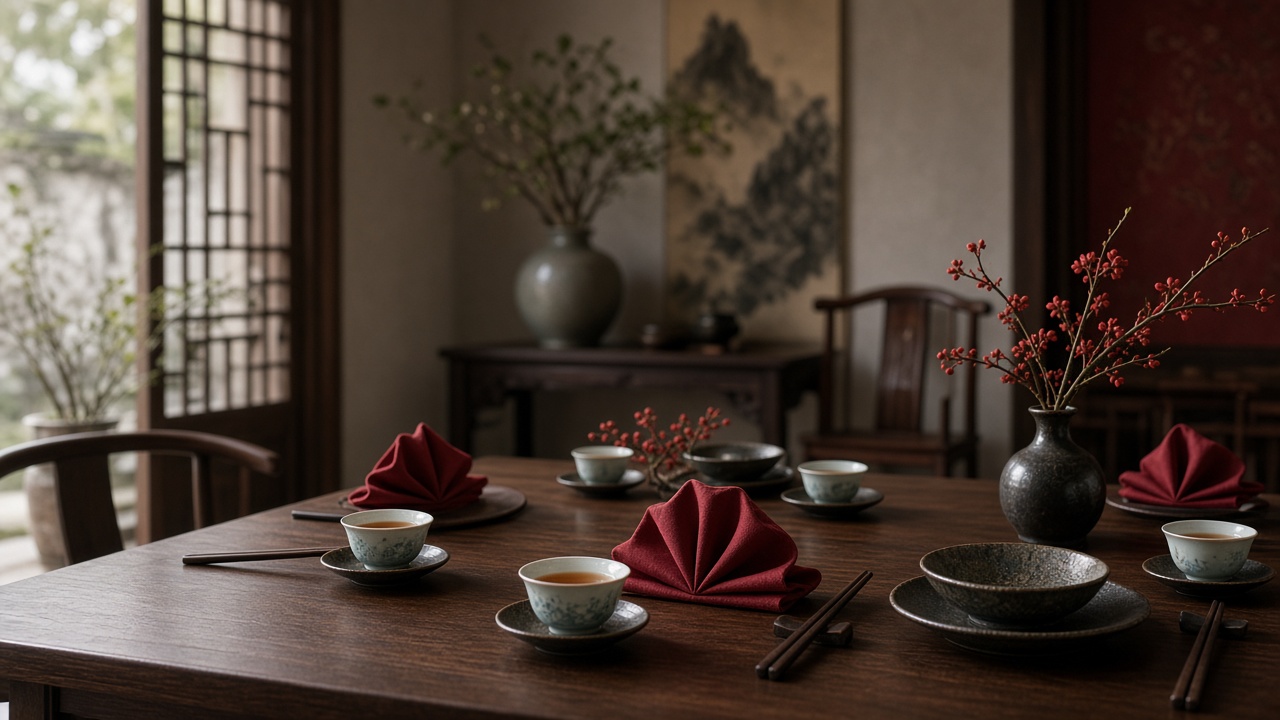
Trip funnel

Why Social Customs Matter for Travelers
China is not a country where you can wing it socially. The rules are different, the expectations are different, and the consequences of getting it wrong range from mild embarrassment to genuinely offending your hosts.
The good news: Chinese people are incredibly forgiving of foreigners who make honest mistakes. The bad news: some mistakes are so deeply offensive that even good intentions will not save you. Sticking chopsticks upright in rice, giving a clock as a gift, or wearing a green hat are not just “cultural differences” — they carry specific, powerful negative meanings that every Chinese person recognizes instantly.
“In China, how you make someone feel is more important than what you actually say or do.”
— Common Chinese social wisdomDeep-Dive Guides: 6 Essential Topics
Each topic has a dedicated guide with detailed explanations, real examples, and actionable advice. Click any card to read the full article:
Saving Face in China: A Foreigner’s Guide to Mianzi
Why your local friends go silent after you embarrass them publicly, and how “face” governs every social interaction in China.
Chinese Banquet Etiquette: The Unspoken Rules of the Round Table
Chopstick taboos, seating charts, toasting protocol, and the elaborate ritual of fighting for the bill.
Chinese Gift Etiquette: Avoid Clocks and Social Mistakes
Why giving a clock is like wishing someone death, and what gifts actually impress Chinese hosts.
China Corporate Dining Etiquette: Business Banquet Protocol
How to survive a Chinese business dinner. Baijiu drinking rules, seating hierarchy, and building guanxi.
10 Cultural Landmines to Avoid in China
Green hats, white flowers, the number 4, splitting pears, and other innocent actions that carry deeply offensive meanings.
The Unwritten Rules of WeChat: Hongbao and Group Chat Politics
Digital guanxi, red packet etiquette, and how WeChat Moments function as a social status game.
Face Culture: The One Rule Behind Everything
If you only learn one thing about Chinese social customs, learn this: everything revolves around “face” (mianzi, 面子).
Face is a person’s social reputation, dignity, and standing in the eyes of others. It is not just about pride — it is a deeply embedded social currency that affects relationships, business deals, and daily interactions.
How Face Works in Practice
- Giving face — complimenting someone publicly, showing respect to their status, accepting their hospitality graciously
- Losing face — being corrected publicly, being rejected openly, failing at something visible
- Saving face — finding a way to avoid embarrassment for yourself or others, even if it means being indirect
What This Means for You
- Never criticize someone in front of others — pull them aside privately
- Never reject an invitation or offer bluntly — use soft language like “I will think about it”
- Always accept compliments with humility — “Na li na li” (not at all) is the expected response
- When someone offers to pay for dinner, let them — the host should ultimately win the bill-fighting ritual
For the complete deep-dive, read our full Mianzi guide.
“The Chinese do not say ‘no.’ They say ‘maybe,’ ‘that is difficult,’ or ‘let me think about it.’ Learn to hear the’no’ inside the politeness.”
— Advice from a Shanghai business consultantDining Etiquette Quick Reference
Chinese dining has more unwritten rules than any other social situation you will encounter. Here is the essential cheat sheet:
Do This at Dinner
- Wait for the host to start eating first
- Try a little of every dish — it shows appreciation
- Hold your glass lower than the senior person’s when toasting
- Use the serving chopsticks for shared dishes
- Leave a little food on your plate — a clean plate implies the host did not order enough
- Say “Gan bei” when toasting, but you can sip instead of downing the whole glass
- Compliment the food — “Hao chi” (delicious) goes a long way
Never Do This at Dinner
- Stick chopsticks upright in rice — it resembles funeral incense
- Flip a whole fish over — it symbolizes a capsized boat
- Point at people with your chopsticks
- Tap your bowl with chopsticks — associated with begging
- Insist on splitting the bill at a formal dinner
- Start eating before the most senior person at the table
- Refuse food or drink too firmly — accept graciously
For the complete dining guide including seating charts and the bill-fighting ritual, read our full banquet etiquette guide.
The 10 Biggest Taboos — Quick Reference
Memorize this list before your trip:
- Giving a clock as a gift — “Sending a clock” sounds identical to “attending a funeral” in Chinese
- Wearing a green hat — it means your partner is cheating on you
- The number 4 — it sounds like “death.” Many buildings skip the 4th floor
- Sticking chopsticks upright in rice — it looks like incense at a funeral altar
- Giving pears to couples — “Sharing a pear” sounds like “separation”
- Writing names in red ink — associated with death sentences and obituaries
- Giving umbrellas as gifts — “Umbrella” sounds like “to separate”
- Wrapping gifts in white or black — these are funeral colors. Use red or gold
- Refusing food or drink too firmly — implies the host is not generous enough
- Publicly correcting someone — causes them to “lose face,” which can permanently damage the relationship
For the complete list with cultural history, read our 10 cultural landmines guide.
Planning Your First China Trip?
Get your VPN,eSIM, and payment apps set up before you arrive.
Open Digital Survival Kit →Real-World Scenarios: What Would You Do?
Common situations travelers face in China, with the culturally correct response:
Your host insists on paying. You want to pay.
Correct: Make one or two genuine attempts to pay. When the host insists a third time, graciously accept and say “Thank you, next time it is my treat.” The host expects to win this ritual.
You want to bring a gift for your friend’s family.
Correct: Bring imported fruit, premium tea, or quality chocolate. Wrap in red or gold. Present with both hands. They will refuse once or twice — keep offering. Never give clocks, umbrellas, pears, or sets of 4.
Your partner says “That might be a little difficult.”
Correct: This almost certainly means “No.” Direct refusals cause both parties to lose face. Do not push — find a different approach or compromise.
Someone sends you a red packet (hongbao).
Correct: Accept it promptly and say thank you. Not accepting is considered rude. During Chinese New Year, send one back of similar or slightly lesser value.
Someone praises your Chinese (even if you only said “ni hao”).
Correct: Deflect with humility. Say “Na li na li” (not at all) or “Haicha de yuan” (still far from good). Accepting directly comes across as arrogant.
Strangers ask to take a photo with you.
Correct: This is common, especially outside major cities. It is meant as a compliment — foreigners are a novelty. Smile and agree if you are comfortable. A polite “Bu yao, xie xie” (no thank you) works if you prefer not to.
Frequently Asked Questions
Will Chinese people be offended if I make a cultural mistake?
Is it true that Chinese people are always indirect?
Do I need to drink baijiu at business dinners?
What is the best gift to bring from my home country?
How important is WeChat for social life?
Are these rules the same across all of China?
More Culture and Tips Guides
Dragon Boat Festival in China (2026): Customs, Legends & Travel Guide
Culture & tips · Duanwu · 2026 Dragon Boat Festival in China (2026): Customs, Legends & Travel Guide Duanwu (Dragon…
China Travel Friction Points: Cashless, Crowds, Noise, Rules
China Travel Friction Points (2026): Cashless, Crowds, Noise, Rules — Survival Fixes Start China Travel • Field-tested survival China Travel…
The Unwritten Rules of WeChat: Digital “Guanxi”, Red Packets (Hongbao), and Group Chat Politics
Culture & Tips · Digital WeChat Rules in China 2026: Guanxi, Hongbao & Group Politics Grab a group Hongbao in…
10 Cultural Landmines to Avoid: Why Green Hats, Clocks, and Number 4 Are Dangerous
Cultural landmines in China are the silent traps that can ruin a business deal or a friendship in seconds. Arrival…
Chinese Banquet Etiquette 2026: The Unspoken Rules of the Round Table
Culture & Tips · Dining Chinese Banquet Etiquette 2026: Round-Table Rules That Still Matter Metro gates scan your face; menus…
Gifts Not to Give in China (2026): Chinese Gift Taboos & Etiquette Guide
Culture & Tips Gifts Not to Give in China 2026: Taboos & Etiquette A desk clock can read as a…