Why You Must Try “Blind Massage” in China: Authentic Tui Na Guide (2026)
The 2026 Reality of Physical Travel in China
Daily walking totals often exceed 25,000 steps for travelers navigating the vertical landscapes of Chongqing or the massive transit hubs of Shanghai in 2026. This physical grind makes a Blind Massage in China a practical strategy for maintaining mobility throughout a trip. While China has become more digitally streamlined than ever, the physical layout of its cities remains intense for the lower back, calves, and feet.
Modern travelers frequently overpay for “wellness” at international hotel chains that offer high-end ambiance but lack therapeutic depth. In reality, these sanitized hotel spas rarely provide the deep-tissue work needed to fix a pinched nerve or chronic muscle tightness. Local insiders bypass these tourist spots for mángrén ànmó (blind massage). These clinics are staffed by visually impaired therapists who specialize in Tui Na—a clinical manipulation technique designed for structural recovery. In 2026, understanding the difference between a relaxation spa and a professional medical clinic can determine how quickly you recover from a day of heavy exploration.
While 2026 has seen massive improvements in international card support, payment coverage remains inconsistent even in Tier-1 cities, and local regulations are often applied unevenly at the neighborhood level. It is always best to check the latest app updates before heading to a clinic, as the ground reality for digital payments can change between districts without warning.
Blind Massage in China for Muscle Recovery and Pain Relief
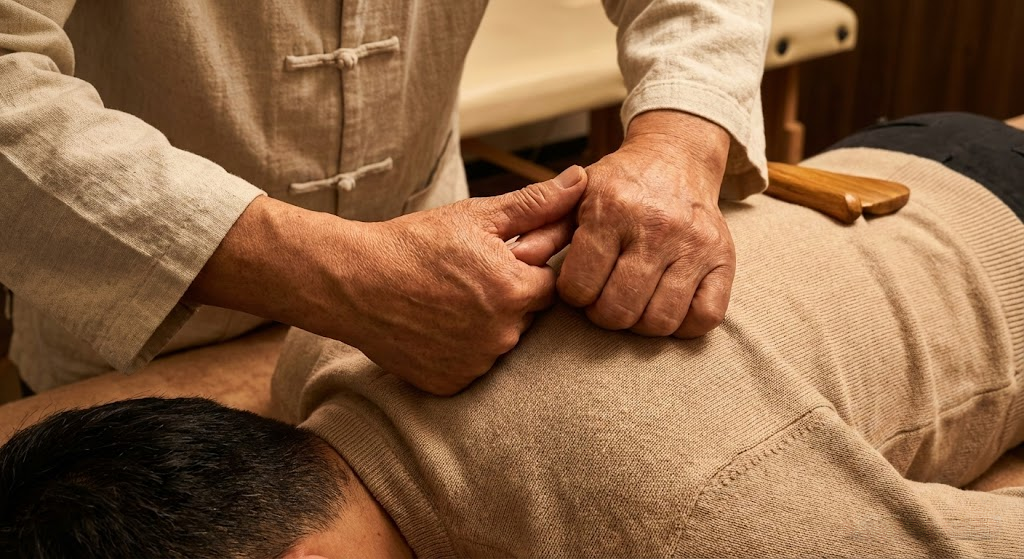
Tui Na is not a standard “spa” treatment; it is a clinical branch of Traditional Chinese Medicine (TCM). In 2026, travelers use it primarily for functional recovery. The technique focuses on rhythmic compression, “grasping” of muscle groups, and joint traction to move stagnant blood and release myofascial tension. This is highly effective for travelers dealing with “subway legs” or back pain from long-haul flights.
The therapists in these clinics possess a level of tactile sensitivity that sighted practitioners rarely match. Because they rely entirely on touch, they can pinpoint knots in your shoulders or tightness in your arches with high precision. After a full day at Zhangjiajie National Forest Park, a 60-minute session provides more physiological relief than simple rest.
Identifying Legitimate Blind Massage Clinics
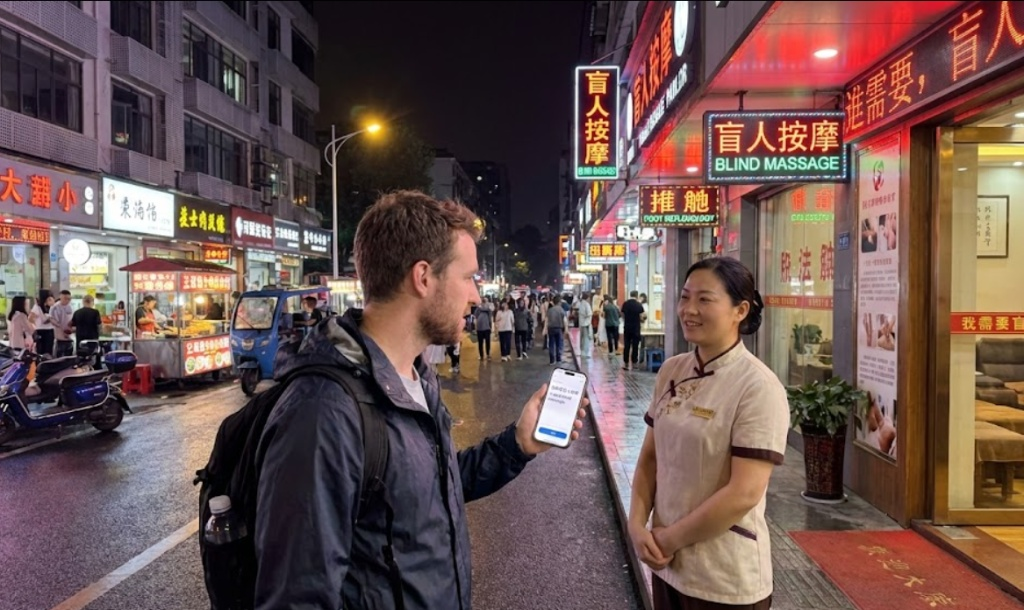
The 2026 Chinese streetscape is saturated with various “wellness” signs, but finding the right clinic requires looking for specific indicators. You are searching for the characters 盲人按摩 (Mángrén ànmó).
Legitimate clinics almost always share these traits:
- Clinical Lighting: Real clinics are brightly lit with LEDs. If the lights are dim or colored, the establishment likely prioritizes “leisure” over medical skill.
- Professional Attire: Therapists usually wear white medical tunics or simple, branded polo shirts.
- Transparent Pricing: A clear price board must be visible at the front. In 2026, a 60-minute session in a Tier-1 city costs between 120 RMB and 220 RMB.
- Local Clientele: Look for elderly locals or office workers. Avoid shops where staff try to pull you in from the street.
To find these shops in authentic local neighborhoods, ensure you are booking hotels that are foreigner-friendly and located within residential districts rather than isolated financial zones.
2026 Booking and Payment Reality for Travelers
By 2026, the booking process for everything in China is digital-first. While walk-ins are possible during the day, the best therapists are often booked out by 6:00 PM via local apps like Meituan or Dianping.
For international visitors, the situation has improved, but it is not 100% friction-less. You can use your map app to find highly-rated shops, but the “best” price is often found by pre-purchasing a voucher. Using Alipay with international cards and setting up WeChat Pay for foreigners makes paying for these sessions simple, though some neighborhood clinics still struggle with direct credit card swipes.
- Logistics Tip: Schedule your massage for the night before a long journey. Use our China train booking guide to secure mid-morning departures so you can benefit from the muscle recovery before sitting on a train for five hours.
- Connectivity: You must activate a China eSIM to access these apps and maps on the go. Without data, finding a specific clinic in a sprawling xiaoqu (residential compound) is nearly impossible.
Step-by-Step: The Blind Massage Experience
- Check-in: Show your reservation or ask for Quánshēn ànmó (Full body) or Zúliáo (Foot massage). First-timer mistake: Don’t expect a private suite; you will likely be in a room with 2-3 other beds separated by curtains.
- Changing: You will be given clean cotton pajamas. You do not need to undress; Tui Na is performed over clothing. Insider Tip: Avoid wearing thick hoodies or jeans to the clinic, as they interfere with the therapist’s ability to feel muscle knots.
- The Session: The therapist may use elbows or knees for leverage. This is common in traditional Chinese cupping therapy clinics where the focus is on clinical results rather than comfort.
- Feedback: Use simple Mandarin. Zhè lǐ téng (It hurts here) or Qīng yī diǎn (Lighter).
Common Risks and Mistakes to Avoid
The biggest risk is misunderstanding the nature of the treatment. Tui Na is often uncomfortable and differs significantly from gentle oil massages.
- Post-Massage Soreness: You will likely feel like you’ve had a heavy workout the next day. Drink significant amounts of water to assist the recovery process.
- The “Tourist Spa” Trap: Some shops in areas like the Bund use the “Blind Massage” label but charge triple the price. If the staff are all young and “model-like,” it is a tourist trap.
- VPN Requirement: To check independent reviews or post about your experience, ensure you have a VPN for China installed. Local clinic Wi-Fi will block most external platforms. Check our Great Firewall survival guide for the latest connectivity tips.
Comparison: Blind Massage in China vs. Hotel Spas
| Feature | Neighborhood Blind Massage | 5-Star Hotel Spa |
| Price (2026) | 120 – 200 RMB | 800 – 1,500+ RMB |
| Technical Skill | High (Clinical focus) | Average (Relaxation focus) |
| Environment | Functional, bright, clean | Luxury, dim, scented |
| Accessibility | Best found via local apps | Easily booked via concierge |
Which should you choose? Choose the blind massage if you have actual muscle pain or fatigue from walking. Choose the hotel spa if your primary goal is to sleep or de-stress in a quiet, scented environment.
Conclusion: Practical Recovery for the 2026 Traveler
A Blind Massage in China is a functional tool for navigating large-scale urban environments. By skipping the overpriced hotel spas and heading to a local mángrén ànmó, you gain access to high-level therapeutic skill for a fraction of the cost.
If you are bouncing between three cities in a week on a 10-day itinerary or catching a high-speed train after a long visa-free transit layover, professional Tui Na is the most reliable way to ensure your body stays functional.
Ready to start your 2026 China journey?
- Book flights on Trip.com to secure your 2026 entry.
- Find hotels on Trip.com in local neighborhoods for the best clinic access.
- Book High-Speed Rail to move between cities without the leg pain.
FAQ
Is tipping expected in Chinese blind massage clinics?
No. Tipping is not a standard practice in China in 2026. You pay the price listed on the board or the app voucher.
Can I choose the gender of my therapist?
Yes. Most clinics have both male and female therapists. You can express your preference upon arrival or through the booking app, though wait times may vary.
Do I need to speak Mandarin to get a massage?
Minimal Mandarin is helpful, but in 2026, translation apps are the norm. Knowing “more pressure” (Lì dù dà yī diǎn) and “lighter” (Qīng yī diǎn) is usually enough for a successful session.
Is it safe for solo female travelers?
Yes. Legitimate blind massage clinics are professional medical environments. They are well-lit and often have other customers in the same room, separated only by curtains.
Are these clinics open late?
Most operate from 10:00 AM until midnight. Some stay open until 2:00 AM, making them a common late-night stop after a local food tour.
Should I bring my own clothes?
No. Clinics provide clean, loose-fitting cotton pajamas for you to wear during the session to ensure the therapist can perform the manual techniques effectively.