Culture · Experiences
The Reality of Hanfu Rental in China (2026 Insider Guide)
Hanfu is mainstream weekend wear in 2026—not a tourist costume. Foreigners need passport-linked deposits, Dianping bookings, and dynasty-matched cities. Pick wrong fabric or shop and you pay tourist-trap prices for polyester that photographs flat.
Quick answer: Book via Dianping (汉服体验, 4.5+ stars), bring your physical passport, budget 300–1,000 RMB deposit on Alipay/WeChat, and match Tang to Xi’an, Song to Hangzhou/Suzhou, Ming to Beijing. Premium shops include hair and makeup—skip “outfit only” packages.
Street scenes in tier-1 cities now show Ming and Tang silhouettes as often as business casual. The gap between a silk-grade studio and a souvenir-market polyester rack has never been wider. Passport deposits, non-Asian hair styling, and AR sizing are where first-timers stall.
This guide reflects rental practices observed in Xi’an, Luoyang, Beijing, and Shanghai in 2024–2025. For the international traveler, participating in this movement offers a deep connection to local history, provided you can navigate the 2026 tech requirements and avoid the low-quality polyester imitations sold at inflated prices in souvenir markets.
Understanding the 2026 Hanfu landscape
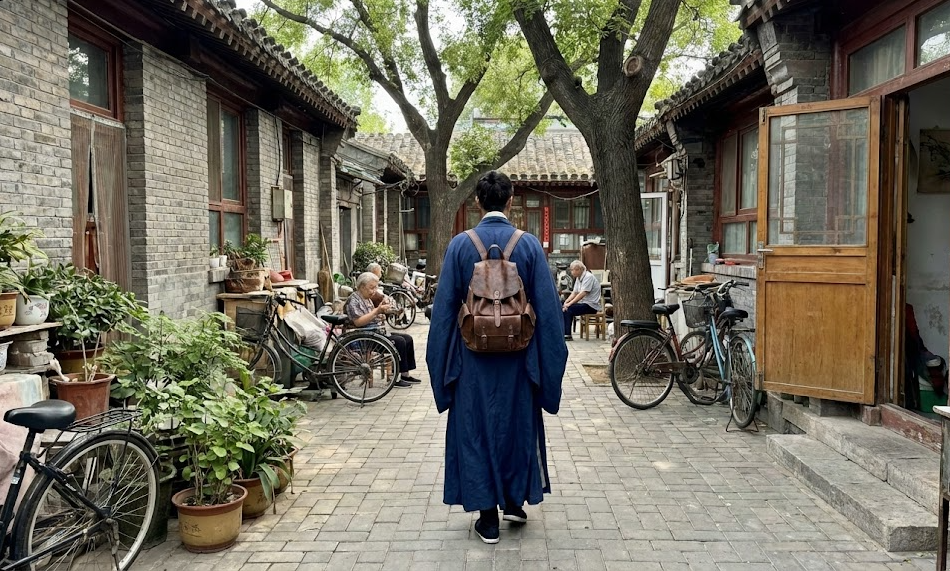
By 2026 Hanfu is a standard weekend activity for millions of locals. Rentals typically bundle clothing, hair styling, optional makeup, and a refundable digital deposit tied to your passport.
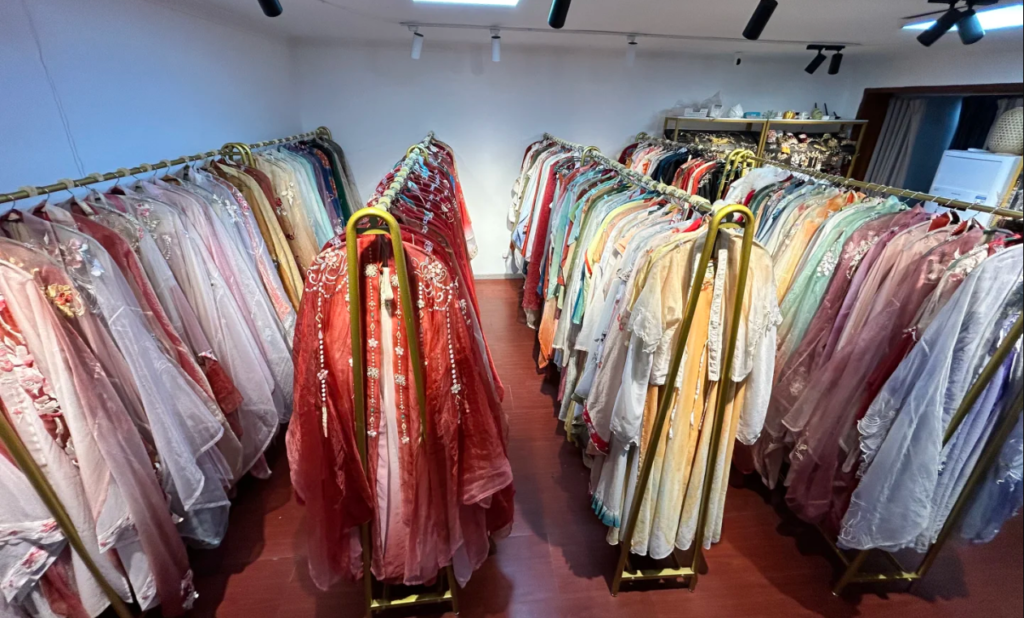
Tier-1 studios in Shanghai and Chengdu now use AI sizing and AR mirrors so you preview dynasties and palettes before the physical fitting—especially helpful for Western builds previously underserved by small shops.
Airline context: best airlines to fly to China in 2026.
Policy note: Regional rules and app flows change without notice. International travelers are widely welcomed, but some boutiques still struggle with non-resident passport registration. Entry hub: China visa policy 2026.
Fabric red flag
Look for shops advertising yuanchuang (original design). If staff refuse fabric tags or lining details, leave. A 50 RMB polyester costume sold for 300 RMB is the most common tourist trap.
Choosing your dynasty: match the city
Historical immersion means matching attire to local architecture. If you rent once, Tang in Xi’an delivers the highest visual payoff with forgiving fit.
Tang dynasty: the Xi’an powerhouse
The Qixiong Ruqun (high-waisted skirt above the bust) is the signature silhouette. Forgiving on body type; long skirts need care on metro escalators. Deep dive: Tang Dynasty Hanfu guide.
Song dynasty: minimalist south
The Beizi jacket style is lighter and more breathable for Hangzhou and Suzhou humidity. Buying guide: Song-style Hanfu in Hangzhou. Photo map: Jiangnan Hanfu photo spots.
Ming dynasty: structured north
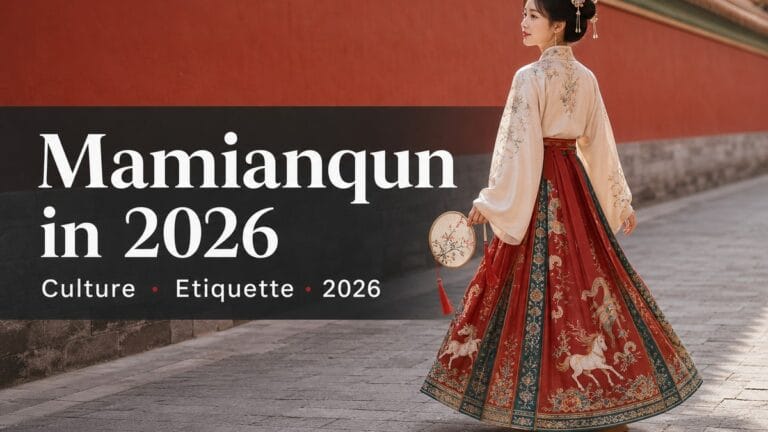
Mamianqun (horse-face pleated skirt) suits Beijing’s colder months. Heavier fabric pairs with elaborate headpieces.
Hanfu style comparison (2026)
| Dynasty | Signature item | Movement | Best setting |
|---|---|---|---|
| Tang | Qixiong Ruqun | Moderate (tripping risk) | Xi’an, Luoyang |
| Song | Beizi | Easy (daily-wear feel) | Hangzhou, Suzhou |
| Ming | Mamianqun | Heavy embroidery | Beijing, Nanjing |
Step-by-step: how to rent Hanfu in 2026
- Find a shop on Dianping: Search 汉服体验 (Hanfu experience). Target 4.5+ stars; many list a foreigner-friendly tag.
- Select package: Standard = outfit + basic styling. Premium adds zhuangmao (historical makeup). Skip outfit-only—without makeup the look reads incomplete.
- Real-name registration: Physical passport required; high-value deposits link to verified ID in 2026.
- Payment & deposit: Alipay or WeChat Pay. Setup: Alipay 2026 guide and WeChat Pay for foreigners.
- Fitting & customization: Use the shop’s AR mirror to see how colors interact with your skin tone. Book high-speed rail tickets in advance after checking our 2026 insider guide to booking trains.
Top 5 photography destinations for 2026
- Xi’an — Grand Tang Mall: Night shoots; center of Tang immersion.
- Luoyang — Luoyi Ancient City: Film-set scale; sunrise light on Wenfeng Tower.
- Suzhou — Humble Administrator’s Garden: Premier Song minimalist backdrop.
- Beijing — Temple of Heaven: As of 2026, stricter permits for pro shoots; elaborate costumes restricted in some high-traffic zones.
- Chengdu — Jinli Street: 2026 “cyber-Hanfu” tradition-meets-streetwear trend.
Logistics, payments, and apps
- Digital wallets: Link international cards to Alipay. Some small shops delay refunds to foreign cards—keep a small balance for deposits.
- Connectivity: China eSIM on Trip.com before landing. Setup: activate eSIM on iPhone.
- Posting photos: Surfshark VPN for blocked apps—read VPN legality for tourists and VPN vs eSIM.
- Hotels: 7 steps to book foreigner-friendly hotels.
Risks, warnings, and mistakes to avoid
The low-quality polyester trap
Avoid 50 RMB street vendors. Reputable outfit-only rentals run 150–350 RMB; full packages higher.
The “right over left” cultural error
Right collar over left is funerary. Daily wear: left over right always.
Photography package scams
Ask before deposit: Suoyou yuandian dou baokuan ma? (Are all raw files included?)
Weather awareness
Luoyang and Xi’an exceed 38°C in summer. Choose lighter Song silk when possible.
Practical checklist for a Hanfu day
- Nude base layers under thin fabric.
- High-capacity power bank for AR mirrors and shoots.
- Physical passport for deposit scans.
- Sneakers under skirts unless it is a formal shoot—cobblestones destroy feet. Gear: China packing list 2026.
Bottom line
Hanfu rental is one of the most immersive ways to read 2026 China’s cultural shift. Match dynasty to city, book studios on Dianping, and lock trains plus walkable hotels early.
Secure HSR to Xi’an or Luoyang and hotels inside historic districts to maximize time in costume.
FAQ
Can foreigners wear Hanfu without being offensive?
Yes—most Chinese view it as appreciation. Never wear the collar right-over-left.
How much does a full-day rental cost in 2026?
Expect 300–800 RMB for quality packages with garment, hair, and professional makeup.
What if it rains?
Many shops charge a small cleaning fee (~50 RMB) if silk hems drag through mud.
Is the bathroom manageable?
Yes with planning. Use mall Western toilets rather than squat stalls in costume.
Are there size-inclusive options?
Tier-1 shops often stock up to 2XL/3XL; AI sizing apps help Western builds.
Can I buy instead of rent?
Many shops offer rent-to-own. Book flights on Trip.com with extra baggage if you bring multiple sets home.