Culture & Tips
Gifts Not to Give in China 2026: Taboos & Etiquette
A desk clock can read as a funeral reference. A green hat can read as public humiliation. In 2026 China, symbolism still beats price tags—especially when Alipay red packets and WeChat groups carry the same cultural weight as wrapped boxes.
Every gift and gesture in China carries hidden meaning tied to homophones, color, and hierarchy. A thoughtful Western present can still read as a curse or a public insult. In 2026, WeChat red packets and group intros matter as much as wrapped boxes—so set up Alipay, WeChat Pay, and a China eSIM before your first banquet.
When meaning is unclear, default to status-neutral consumables (tea, spirits) or digitally lucky amounts (8.88, 88, 888)—never symbols tied to death, infidelity, or public embarrassment. See also: 10 cultural landmines.
Why gift symbolism still runs the room in 2026
QR menus did not retire superstition. Partners still hear what a gift sounds like, not what you paid. That is why a desk clock fails while a wristwatch can succeed, and why 88.88 RMB reads warmer than 40.00 RMB.
Foreign guests who learn the code earn trust faster at signing dinners and factory visits. Guests who wing it often lose months of rapport in one gesture.
1. Never gift a clock (song zhong)
The phrase for “giving a clock” (song zhong) sounds like attending a funeral or sending someone toward the end. A designer wall clock at a 2026 Shenzhen office opening can freeze the room until the host performs the classic workaround: “purchasing” the clock for 1 RMB so it is technically a sale, not a gift.
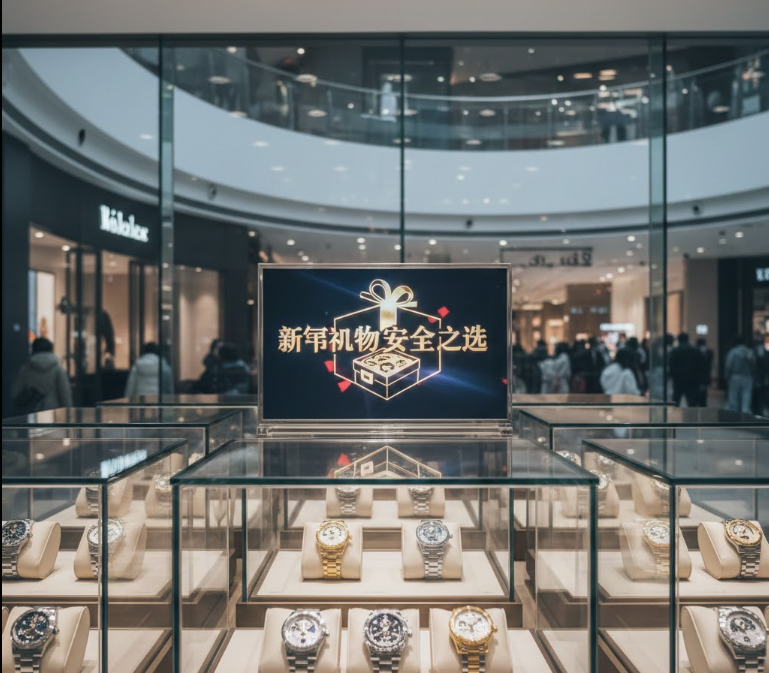
Safe alternative: Luxury wristwatches remain high-status business gifts and are not lumped into the wall-clock trap.
Professional tip: If you are unsure about an object’s meaning, high-quality tea or imported spirits are consistently safe bets for business etiquette in China 2026.
Other physical gifts to avoid
- Pears: Sound like “parting”—risky as a wrapped gift between partners.
- Sharp objects: Knives or scissors imply cutting ties unless the recipient explicitly collects them.
- Umbrellas: In many regions suggest separation—avoid as a farewell gift to clients.
- Shoes: Can imply walking away; avoid in formal business unless you know the person well.
- White chrysanthemums: Funeral flowers, not congratulations.
Wrapping: Use red or gold paper. White and black read as mourning at happy events. Remove price tags before presenting.
2. Saving face (mianzi) beats being right
Publicly correcting a host, a senior leader, or a client can end a relationship overnight. Move disagreements to a private WeChat thread and frame corrections as questions, not verdicts.
Gift mistakes are face events too. If you hand over the wrong item, do not debate symbolism at the table. Repair privately later. Full framework: saving face in China.
Business cards
Present and receive cards with both hands, Chinese side facing the recipient if bilingual. Pause to read the card before pocketing it. Pair with corporate dining etiquette.
3. Green hats, colors, and dress codes
The idiom dai lv mao zi marks a partner as unfaithful. A green souvenir cap for a friend becomes a joke at their expense—and at yours. Avoid predominantly green headwear; neutral, navy, or red accents are safer.
Red signals celebration. Gold signals prosperity. White at happy events can read as funeral-associated. State-owned partners often expect conservative dress and restrained gift flash.
4. Chopsticks, toasts, and banquet signals
Vertical chopsticks in rice mimic funeral incense. Lay sticks on the ceramic rest or flat across the bowl rim—never point them at someone.
- Gongkuai: Use serving chopsticks for communal dishes; eat with your personal pair only from your bowl.
- Toasts: Clink lower than seniors; maintain eye contact. Non-drinkers raise tea and use the tea-for-wine phrase.
- Bill ritual: Let the host win after the polite fight—banquet seating guide.
5. Lucky and unlucky numbers
Si (4) homophones death. Hotels often skip floors with 4. Never send 44.44 RMB in a digital red envelope.
- Avoid: 4, 14, 44, 400, 44.44 RMB.
- Favor: 8 (wealth), 9 (longevity), 6 (smoothness) in many regions.
- Common Hongbao: 8.88, 88, 188, 888—scale to relationship depth.
Recommendation: Always aim for 8 (wealth) or 9 (longevity). Use our WeChat Pay guide to set up your payment account correctly.
6. Business gifting by relationship
Spend and symbolism should track rank, not enthusiasm alone.
| Recipient | Safer choices | Notes |
|---|---|---|
| Key client / partner | Premium tea, wine or baijiu (if they drink), quality fruit basket | Modest Hongbao only if the relationship is already warm |
| Your boss | Respectful consumables; avoid outshining their status | Too expensive reads as awkward or transactional |
| Junior colleagues | Small CNY envelopes, team snacks, notebooks | Seniors often distribute envelopes downward at festivals |
| Government / SOE contacts | Minimal, policy-safe gestures | When unsure, prioritize flawless meeting etiquette over objects |
Present with both hands, allow a polite refusal cycle, then accept with sincere thanks. Thank hosts for “the trouble” (pò fèi le).
7. Digital Hongbao and WeChat group etiquette
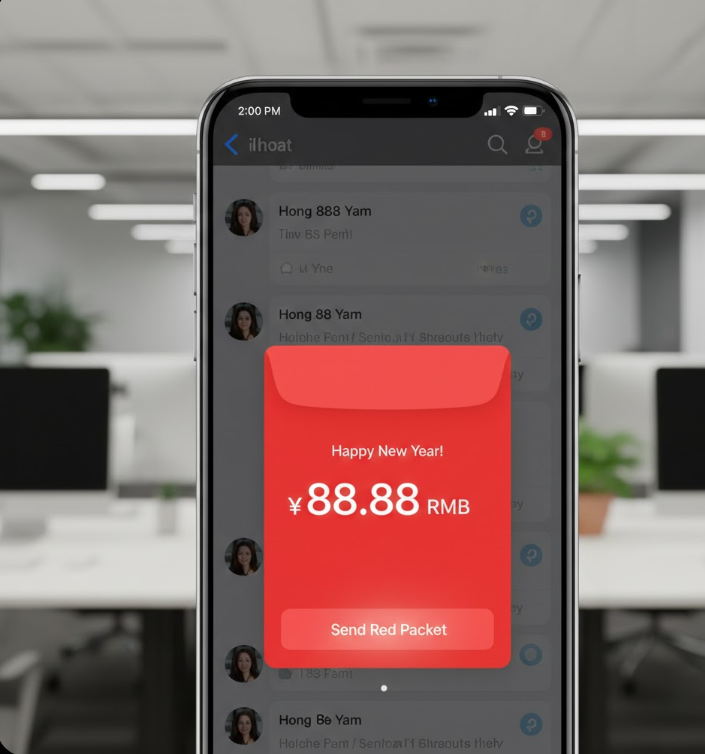
Joining a project WeChat group without a small lucky envelope can feel cold. After you are added:
- Send a brief intro (name, role, thanks for the invite).
- Optional: a small lucky packet (8.88–88 RMB) with a neutral greeting.
- Avoid flooding the chat with English-only links during work hours.
Read WeChat guanxi and red-packet politics. Set up wallets via the Alipay & WeChat Pay hub.
8. Lunar New Year and festival windows
Chinese New Year: Tea, nuts, premium fruit (no pears), chocolates, or modest envelopes for juniors. Arrive on time—lateness costs face before you open any box.
Mid-Autumn Festival: Mooncakes are the default corporate gift—choose reputable brands and avoid wasteful over-packaging under clean-plate norms.
Business openings: Flower baskets are common in some cities; confirm colors with a local colleague—white funeral flowers are never congratulatory.
Peak festival travel? Book trains and hotels early on Trip.com trains and Trip.com hotels. Overlap with Spring Festival? See Chunyun survival guide.
Quick reference: taboos vs correct moves
| Category | Avoid | Do instead |
|---|---|---|
| Gifts | Clocks, pears, sharp objects | Tea, spirits, luxury watches |
| Dining | Upright chopsticks, pointing | Chopstick rest; open-palm gestures |
| Numbers | 4, 44, 400 | 8, 88, 888 in Hongbao |
| Cards & gifts | One-handed exchange | Present with both hands |
| Digital | Ignoring group intros | Small lucky Hongbao + note |
| Wrapping | White / black at happy events | Red or gold; remove price tags |
| Festivals | Pears in gift baskets | Mooncakes (Mid-Autumn), tea (CNY) |
More daily rules
- Pointing: Use an open palm, not a single index finger.
- Physical contact: Avoid touching children’s heads; hugs are rare in formal business settings.
- Toasts: Clink lower than seniors; maintain eye contact. See Chinese social customs.
- Tipping: Not expected in 2026—pay the bill via QR. A Dianping review beats cash.
- Accepting gifts: Politely refuse once or twice, then accept with both hands.
Bottom line
Technology changed how you pay and travel, not what gifts mean. Master homophones, colors, hierarchy, and digital Hongbao etiquette before your next signing dinner—then stack practical tools (payments, eSIM, trains) so you can focus on people, not logistics.
Before your next China trip
Connectivity: Airalo eSIM or Surfshark for hotel Wi-Fi · Payments: Alipay & WeChat hub · Logistics: Trip.com trains, hotels, Klook attraction tickets.
FAQ
Can I give gifts during Lunar New Year?
Yes—tea, fruit baskets (no pears), or premium chocolate work. Match spend to your rank; an overly expensive gift can pressure colleagues.
Are wine or chocolate acceptable?
Imported red wine and high-end chocolate are popular in business circles. Confirm the host drinks alcohol; use red or gold wrapping.
What if I accidentally cause someone to lose face?
Do not apologize loudly in public. Message privately on WeChat; a small respectful Hongbao that evening can soften tension.
How do I send a WeChat red envelope to a group?
Tap “+” in chat → Red Packet → enter a lucky amount (e.g. 8.88) with a short intro line like “Happy to be here!”
Should I accept a gift on the first offer?
Refuse once or twice, then accept with both hands and sincere thanks—that rhythm shows cultural awareness.
Can I gift an umbrella or shoes?
Generally avoid umbrellas (separation) and shoes (walking away) in formal business unless a local colleague confirms otherwise.
Is tipping expected at restaurants?
No. Pay via Alipay or WeChat. A positive Dianping review beats cash on the table.
How should I clink glasses during a toast?
Keep your rim lower than a senior’s and maintain eye contact. Participate even if you substitute tea for alcohol.
Can I point with my index finger?
It reads as aggressive. Gesture with an open, relaxed palm instead.