What is Alipay Used For in 2026? 7 Essential Survival Tips for China
The moment you hit the arrivals hall at Pudong Terminal 2 in 2026, you’ll realize that a bulging leather wallet is less of a travel essential and more of a bulky relic taking up pocket space. To answer the most frequent pre-trip question—what is Alipay used for—it is the functional equivalent of your ID, wallet, and personal concierge rolled into a single interface. Without it, even basic tasks like hailing a car or entering a museum become bureaucratic hurdles.
In 2026, the digital wall that once separated international travelers from China’s economy has been dismantled, but the ecosystem has moved far beyond simple QR codes. While the platform started as a payment tool, it now functions as a comprehensive lifestyle operating system. This guide breaks down the current state of digital survival, moving into the era of AI-driven travel and seamless hardware integration.
Mandatory Disclaimer: Policy details may vary by region and are subject to change in 2026 without notice. Consult your local embassy before booking.
Beyond Payments: The 2026 Alipay Ecosystem
The 2026 version of Alipay is no longer a “digital wallet” in the traditional sense; it is a proactive AI assistant. While it handles transactions, the core value lies in how it integrates into the physical infrastructure of Chinese cities.
The “Alipay Tap” Revolution
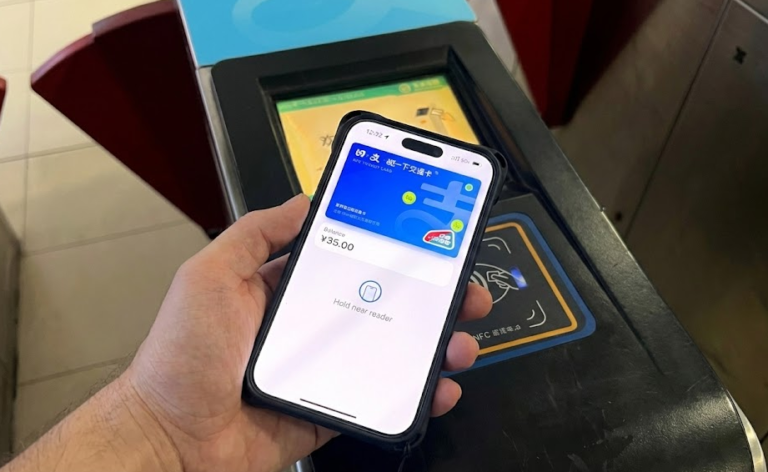
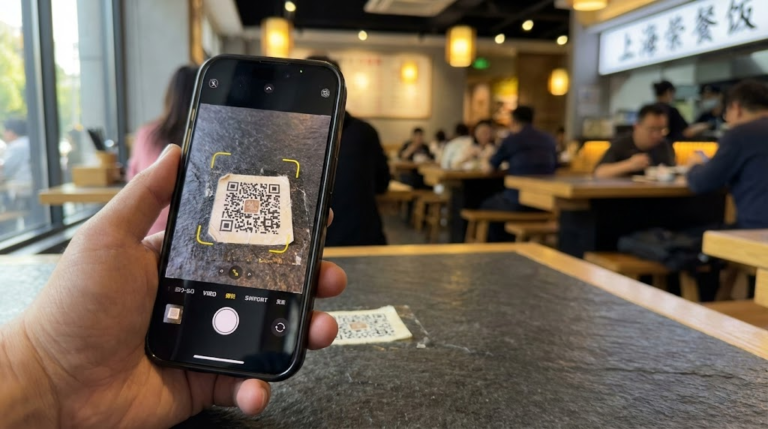
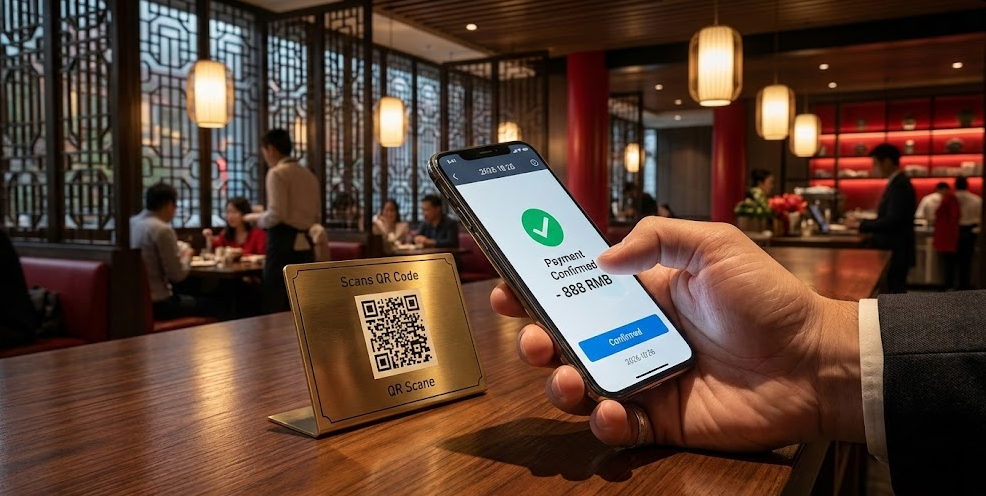
By 2026, the familiar routine of opening a camera to scan a QR code is being phased out for “Alipay Tap” (Peng-yi-peng). This NFC-style interaction allows you to pay at subway turnstiles, convenience stores, and coffee shops by simply touching your phone to a sensor. It is faster, more secure, and works more reliably in low-light environments. Local travelers in China often recommend using “Tap” for public transit to avoid blocking the gates while waiting for a code to load. For more on this, see our China Metro Payment Guide.
AI-Agent Concierge (Lingxi Integration)
The most significant shift this year is the Lingxi AI agent. Instead of navigating through dozens of mini-programs, you can use the search bar to prompt the AI: “Find the nearest pharmacy that stocks insulin” or “Book a taxi to the Bund that fits four people.” The app handles the cross-platform communication, price comparison, and final payment in a single conversational flow. For a deeper dive into the technical side, check out our guide on How to Use Alipay in China (2026).
Transportation & Mobility: The “Bridge Method”
Navigating China’s transit network in 2026 is governed by what we call the “Bridge Method.” This strategy involves using Alipay as a master interface to avoid the friction of downloading multiple niche apps that may not support foreign phone numbers or non-mainland IDs. In practice, downloading standalone apps like Didi or 12306 often triggers additional ID verification layers that foreign passports struggle to pass. Using the Alipay mini-program reduces this friction.
Ride-Hailing and Public Transit
The Didi mini-program within Alipay eliminates the need for a standalone ride-sharing app. It provides real-time English translation for driver communication and supports international credit cards natively. For subways and buses, the “Transport” tile generates a city-specific code for most major Chinese cities. Learn more in our How Foreigners Grab a Taxi in China guide.
High-Speed Rail (HSR) Integration
Booking trains via the 12306 mini-app inside Alipay is now the most efficient path for foreigners. In 2026, once your passport is verified in the app, you no longer need physical tickets. Your passport becomes your biometric key at the station gates. Local travelers in China often recommend verifying passport status inside the 12306 mini-program 72 hours before departure.
TrainsBook High-Speed Rail on Trip.com
Administrative Survival: Booking the Unbookable
In 2026, “Real-Name Authentication” is the prerequisite for almost all leisure activities. What is Alipay used for in this context? It acts as your digital identity verification tool.
Attraction Reservations
Most major landmarks, from The Palace Museum (Forbidden City) to Zhangjiajie National Forest Park, require pre-booked time slots. Alipay pulls your verified passport data to secure these tickets instantly. For specific rules on mountain entries, read our Zhangjiajie Ticket Validity Guide.
Hotel Check-ins
While you should always use the Safe Booking Guide to find accommodation, Alipay is often used on-site for incidental deposits. In 2026, many boutique hotels in Lijiang prefer Alipay over physical credit cards for these small holds.
When Alipay Is NOT Enough
Professional travelers know the specific scenarios where you need a backup plan:
- Luxury Hotel Deposits: Some international hotel chains still require a physical credit card for room deposits to “hold” funds, as Alipay’s international card integration doesn’t always support temporary pre-authorization holds effectively.
- Remote Rural Areas: In deep rural regions, cellular signal can be unstable. If your phone cannot generate a code, you will need RMB cash.
- Cross-Border Transitions: While Alipay China works in Hong Kong and Macau, the available mini-programs change significantly.
Insider Tip: While businesses are legally required to accept RMB cash, enforcement varies. In reality, most foreign travelers underestimate how quickly small merchants refuse cash during peak hours simply because they do not have a float of physical change.
2026 Quick Decision Matrix
| Traveler Type | Must Use Alipay? | Backup Needed? | Recommended Tool |
| Short-term Tourist | Yes | Physical card | Linked Visa/Mastercard |
| Business Traveler | Yes | Corporate card | Alipay + Didi Mini-app |
| Digital Nomad | Mandatory | VPN + eSIM | Full verification ($50k limit) |
| Rural Explorer | Recommended | RMB Cash | Local SIM for signal |
Pre-Departure Checklist: 2026 Setup
Complete this checklist 48 hours before your flight. For a more exhaustive list, see our Ultimate China Travel Packing List 2026.
- Passport Verification: Upload your passport and complete the AI facial recognition scan.
- Card Linking: Link a Visa or Mastercard with zero foreign transaction fees.
- Small Transaction Test: Perform a small “Charity Donation” (1 CNY) within the app to ensure your bank doesn’t flag the account.
- SMS Roaming: Ensure your home SIM can receive SMS codes for the initial setup.
- Emergency Screenshots: Save a screenshot of your Alipay “Home” screen and your passport ID page.
Real-World Failure Example: The “Bank Block”
In reality, many travelers find their first major transaction—such as a 1,200 CNY hotel deposit—is declined. This is rarely an Alipay error; it is almost always your home bank’s fraud detection system flagging a “suspicious” high-value transaction. Before you leave, notify your bank that you will be making multiple transactions via “Alipay” or “LianLian Pay.”
Fees and Limits in 2026
As of early 2026, Alipay typically charges a 3% service fee on transactions above 200 CNY for international cards. Annual aggregate limits may apply depending on your card issuer and your specific risk profile.
Security, VPNs, and Connectivity
While Alipay itself does not require a VPN to function, the ecosystem around it—such as your home banking apps—often does. Public Wi-Fi in China can be spotty and insecure, making a dedicated connection essential.
The Connectivity Requirement
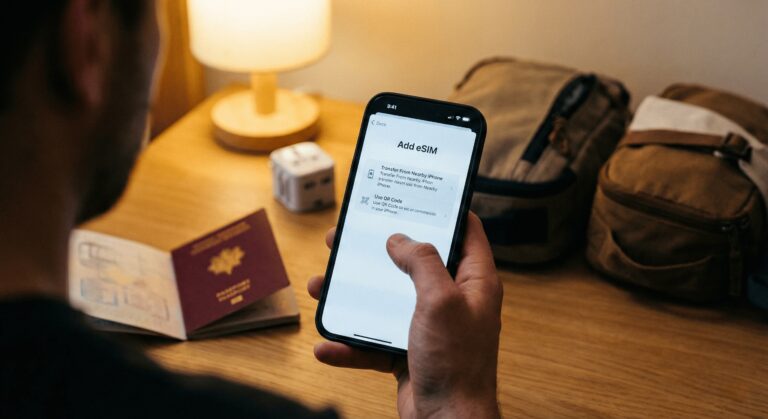
Alipay requires a stable 5G or Wi-Fi connection to generate dynamic payment codes. Using a dedicated eSIM ensures that your “Tap” or “Scan” works instantly at the turnstile. For setup instructions, read How to Activate eSIM for China on iPhone.
Privacy and Data Security
Managing financial data over public networks is risky. Many travelers use a VPN to maintain a secure tunnel for their background apps and overseas services. Understand the nuances in our guide: Is Using a VPN Illegal in China?.
Comparison Table: Payment Methods in 2026
| Feature | Alipay (Int’l Card) | WeChat Pay | Physical Cash |
| Acceptance | Nearly universal in urban China | Nearly universal | Increasingly limited |
| Setup Difficulty | Low (Int’l UI) | Moderate | N/A |
| HSR/Train Booking | Excellent (Integrated) | Average | Difficult |
| Fees | 3% over 200 CNY | 3% over 200 CNY | High FX Spreads |
| Reliability | High | High | Low (Hardware issues) |
FAQ
-
Do I need a Chinese phone number in 2026?
No. You can register for Alipay with your home country phone number. However, you must ensure your phone can receive international SMS for verification codes during the initial setup process.
-
Can I survive in China with only cash in 2026?
It is increasingly difficult. While major establishments are legally required to accept cash, many small vendors and taxis have no physical change. You will face significant delays and frustration without a digital payment method.
-
What happens if my phone battery dies?
You are effectively locked out of most services. Always carry a physical power bank. In 2026, while power bank rental stations are everywhere, you cannot unlock one if your phone is already dead.
-
Is Alipay better than WeChat Pay for tourists?
For most travelers, yes. Alipay’s “International Version” is more intuitive and offers superior integration for passport-verified bookings. For a comparison, see WeChat Pay for Foreigners 2026.
-
Can I use Alipay for the transit visa?
Yes. Whether you are on a 144-hour or a 240-hour transit (duration varies by port of entry in 2026), you can use Alipay to register your temporary stay address. Details are found in our China 240-Hour Visa-Free Transit Policy.
Conclusion
Before you arrive, secure your connectivity and payment stack first. Then move to transport and accommodation. By 2026, the question of what is Alipay used for is answered by every interaction you have—from the moment you tap into airport transit to the second you pay for a late-night street snack.