Traditional Chinese Cupping Therapy: Does It Hurt? Benefits for Travelers
Your legs are throbbing after hiking the Great Wall, and your neck is stiff from the 14-hour flight to Shanghai—welcome to the reality of China travel in 2026. While your instinct might be to pop an ibuprofen from your Ultimate China Travel Packing List, local travelers know a faster, more effective fix: Traditional Chinese Cupping Therapy.
Before you write it off as “that thing with the scary purple circles,” you need to understand exactly what it feels like and why it is the secret weapon for surviving a high-activity trip in China. Beneath the intimidating appearance lies a practical, efficient recovery method defined by specific sensations, strict 2026 hygiene protocols, and diagnostic secrets hidden in those circular marks.
What Is Traditional Chinese Cupping Therapy? (The 2026 Context)
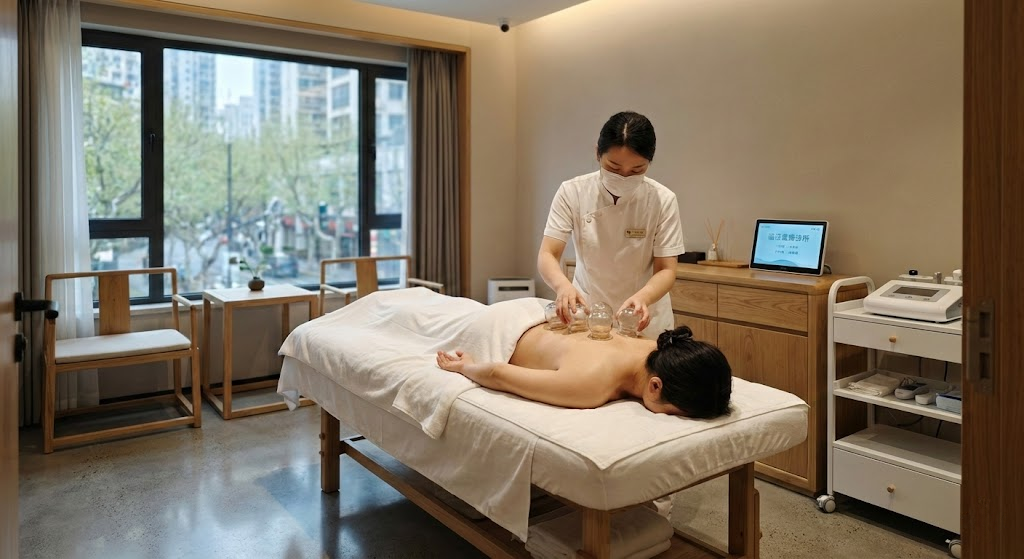
Forget the ancient history lesson. In modern 2026 China, cupping (or Ba Guan 拔罐) is a standard recovery tool used by everyone from tired delivery drivers to high-end executives. It involves placing cups—usually glass, bamboo, or medical-grade plastic—on the skin to create a vacuum.
How it works (The Dual Perspective):
- The Modern Medical View: The suction creates a vacuum that lifts the skin and fascia. This causes local hyperemia (increased blood flow) and may rupture tiny capillaries. While the exact mechanism is still debated in Western science, many experts believe this “micro-trauma” triggers a localized immune response, reducing inflammation and relaxing tense muscles.
- The TCM View: Traditional Chinese Medicine believes cupping dredges the meridians, opening up pathways to expel “Evil Qi” (pathogens like Cold, Wind, and Dampness) that cause stagnation and pain.
The Big Question: Does Cupping Hurt?
Short Answer: No, it shouldn’t hurt. It feels weird, tight, and intense, but not painful.
Long Answer: The sensation depends entirely on the tension in your muscles. Here is the sensation scale most travelers experience:
- The Initial Suction (0-30 seconds): You will feel a strong pinch or tightness as the skin is drawn up. It can be startling, but it settles quickly.
- The “Sweet Pain” (Minutes 1-5): In Chinese, this is called Suan Tong (aching pain). It is a “good hurt,” similar to a deep tissue massage on a knot. If it feels sharp or stinging, tell the therapist immediately—that is not normal.
- The Removal: Pure relief. Your muscles will feel lighter instantly.
Why Travelers Should Try Cupping in China
You didn’t fly halfway around the world just to sit in a hotel room nursing a sore back. Many travelers schedule recovery days immediately after landing—Book flights on Trip.com makes itinerary changes easier if you need to add a buffer day. Once you are settled, cupping solves three specific travel problems:
- Addressing “Wind-Cold”: In TCM belief, moving between humid heat and freezing AC can allow “Wind” and “Cold” pathogens to enter the body. Many locals use cupping preventively to “pull out” this cold before it turns into a full-blown stiffness or shiver. This reflects traditional practice rather than modern preventive medicine.
- The “Great Wall Leg”: For travelers suffering from muscle fatigue, the increased blood flow from cupping helps flush out metabolic waste faster than sleep alone.
- Jet Lag Recovery: Cupping on the upper back (specifically points like Dazhui or Feishu) is believed to stimulate the nervous system, helping to reset your body clock before you Book High-Speed Rail to your next destination. (Not sure how to book? Read our 2026 Insider Guide to Booking Trains).
Find Wellness and Spa Experiences in China
The Color Guide: What Do The Marks Mean?
The marks left behind are not random bruises. According to TCM practitioners, the color and texture of the marks (Sha) can provide insight into your current physical state.
Note: These interpretations are based on Traditional Chinese Medicine theory and are not a substitute for a medical diagnosis.
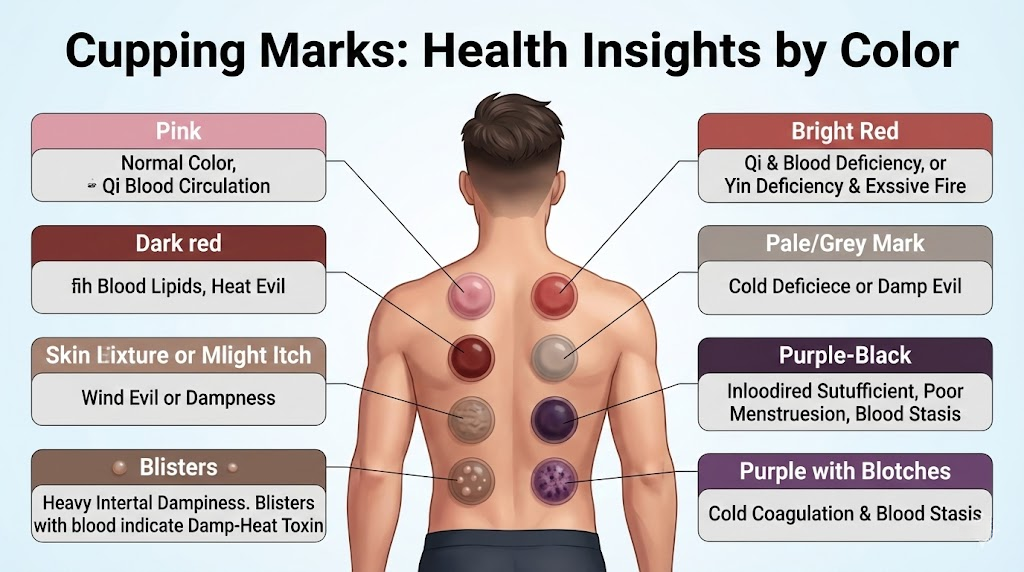
- Light Pink: Generally interpreted as normal circulation. Your body is handling the travel stress well.
- Bright Red: Often interpreted as “Yin Deficiency” or “Fire.” This is frequently seen in travelers who are dehydrated or sleep-deprived.
- Dark Red: TCM practitioners often associate this with “Heat” or stagnation. It may be a sign to ease up on heavy, greasy travel food. (Finding healthy food can be tricky; use our Guide to Ordering Food in China to find lighter options like winter melon or celery).
- Grey/White & Cold to Touch: Interpreted as “Cold Dampness.” If you’ve been walking barefoot on cold hotel floors or wearing light clothing in AC, TCM theory suggests the cold has entered the meridians.
- Purple/Black: A common sign of “Blood Stasis” (poor circulation). This is frequently seen in travelers with severe stiff necks or those who have been sitting in economy class for 14 hours.
- Blisters: Interpreted as heavy “Dampness” in the body. (Note: If blisters occur, do not pop them yourself; let the clinic handle them to prevent infection).
Who Should NOT Get Cupping? (Critical 2026 Safety)
While beneficial for many, cupping is not for everyone. Avoid this therapy if you fall into these categories:
- Pregnant Women: Absolute Avoid. The strong suction moves blood aggressively, which is considered a high risk during pregnancy.
- Menstruating Women: Proceed with caution. TCM generally advises avoiding cupping during heavy flow days, as it may increase bleeding. Consult the therapist first.
- The “Full, Hungry, or Drunk”: Do not go for cupping right after a big banquet, on an empty stomach, or after drinking alcohol. It can cause dizziness or nausea.
- Skin Conditions: Avoid areas with ulcers, scars, edema, or large visible blood vessels.
- Medical Conditions: People with high fever, convulsions, bleeding disorders (like leukemia), severe heart disease, or unmanaged diabetes should skip this due to wound healing risks.
Step-by-Step: What to Expect During a Session
1. The Consultation: Point to your sore area and say “Ba Guan”. The therapist may choose points based on pain (Ashi points) or specific meridians (like the Bladder Meridian on the back). To get to the clinic without stress, we recommend following our Taxi Survival Guide to show the driver the address correctly.
2. The Application: They will apply oil to your skin. Then, using a flame to consume the oxygen inside the cup (Fire Cupping), they stick it to your back.
3. The Aftercare:
- Do Not Shower Immediately: Wait 4–6 hours.
- Keep Warm: Your pores are open. Avoid blasting AC directly on your back.
4. The Cost & Payment:
- Local Massage Shop: 80–150 RMB ($11–$21 USD).
- High-End Spa/Hospital: 200–500 RMB ($28–$70 USD).
- Payment Warning: In 2026, cash is rarely accepted. Ensure you have set up Alipay or WeChat Pay.
Mandatory Disclaimer: Policy details regarding digital payments, VPN access, and network connectivity may vary by region and are subject to change in 2026 without notice. Consult your local embassy or latest travel advisories before booking.
[Action Required: Insert Affiliate Link: Get a China eSIM to ensure your mobile payments work everywhere.]
Risks and Mistakes to Avoid
Mistake #1: DIY Cupping in the Hotel You might see silicone cupping sets sold in markets. Do not try this yourself. Cupping requires knowledge of acupoints and anatomy. Doing it incorrectly can cause burns (with fire cupping) or nerve damage. Always go to a regular hospital or clinic.
Mistake #2: Showering Immediately After This is the most common rookie error. Cupping opens your pores wide. In Chinese medicine theory, showering immediately invites “Wind” and “Dampness” back into the body.
- Rule: Wait at least 4–6 hours. Relax at your hotel and use your Surfshark Discount to catch up on shows. (Struggling with internet connection? Check our Great Firewall Survival Guide).
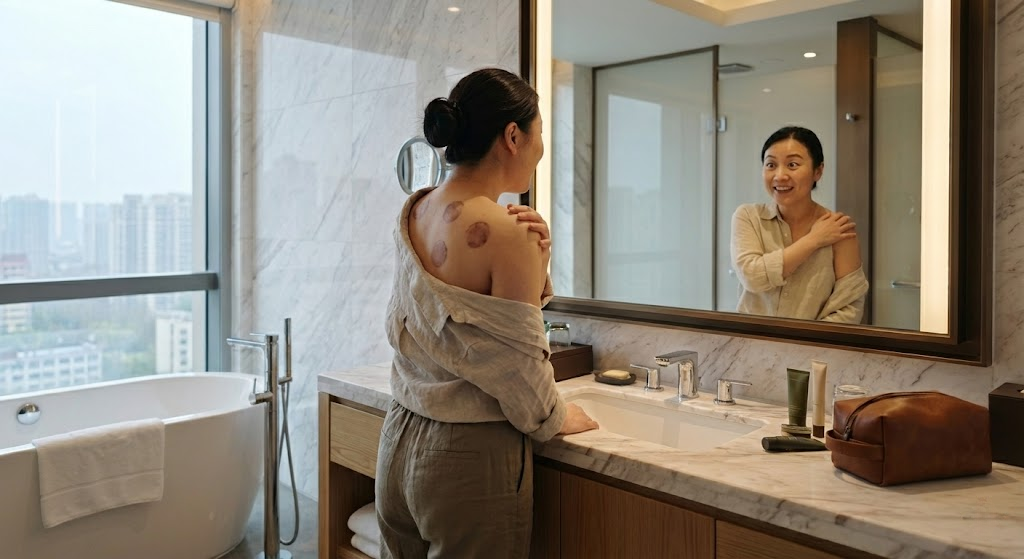
Mistake #3: Freaking Out at the Pool You will see people with cupping marks at hotel pools throughout China. It is socially acceptable. Do not feel self-conscious; in China, it’s just a sign you take care of your health. (If you want a pool with more privacy, check our guide to Foreigner Friendly Hotels).
Conclusion: Should You Do It?
If you are physically active during your China trip and fit the health criteria, absolutely. Traditional Chinese Cupping Therapy is one of the most cost-effective ways to maintain your energy levels. The “pain” is minimal, and the relief is immediate.
Just remember: check the hygiene, don’t shower right after, and wear your purple circles with pride. Many travelers pair cupping with massage or acupuncture for multi-day recovery.
Ready to book your recovery session?
FAQ
-
Does Traditional Chinese Cupping Therapy hurt?
Generally, no. It feels like a tight suction. If you feel sharp pain, alert the therapist immediately.
-
What do the purple marks mean?
According to TCM, dark purple indicates “blood stasis” or poor circulation in that area. Bright red often indicates heat, while grey/white can indicate cold or dampness.
-
Can I get cupping while on my period?
It depends. TCM advises avoiding cupping during heavy flow days or if you feel weak. Always consult the therapist first.
-
Is fire cupping better than vacuum pumping?
Local purists swear by fire cupping because the heat adds a therapeutic element to dispel “Cold,” but vacuum cups are safer and offer more precise control.
-
Can I do cupping if I have diabetes?
It is generally not recommended for those with severe or unmanaged diabetes due to slower wound healing and skin sensitivity. Consult a doctor first.
-
How long do cupping marks last?
Usually 3 to 7 days. Darker purple marks take longer to fade than light pink ones. Drink plenty of water to help flush the system.