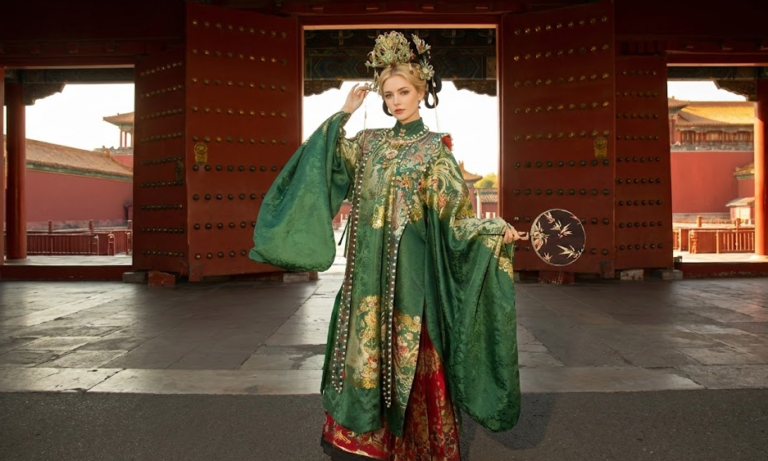
The Tang Dynasty Hanfu Guide: Opulence, Makeup, and How to Wear the “Empress” Look
The sunset from the Xi’an City Wall last week revealed a distinct shift in the local Hanfu scene. Five years ago, the streets were filled with tourists in cheap, flimsy polyester costumes that looked like they came out of a plastic bag. But wandering around in 2026, the difference is impossible to miss. The fabrics are heavy brocades, the gold glimmers with authenticity, and the attention to detail is intense.
For anyone heading to Xi’an or Luoyang this year, the “High Tang” aesthetic is the style to beat. It’s unapologetically bold. We’re talking massive silhouettes, clashing colors that somehow work, and makeup that feels more like avant-garde art than a daily routine. But pulling off the “Empress” look isn’t just about renting a dress; it’s about understanding the textiles and the specific makeup techniques that define the era. Here is how the experience actually plays out, from the makeup chair to the final shot.
Decoding Tang Dynasty Hanfu Styles and Layers
The Evolution of the Tang Silhouette
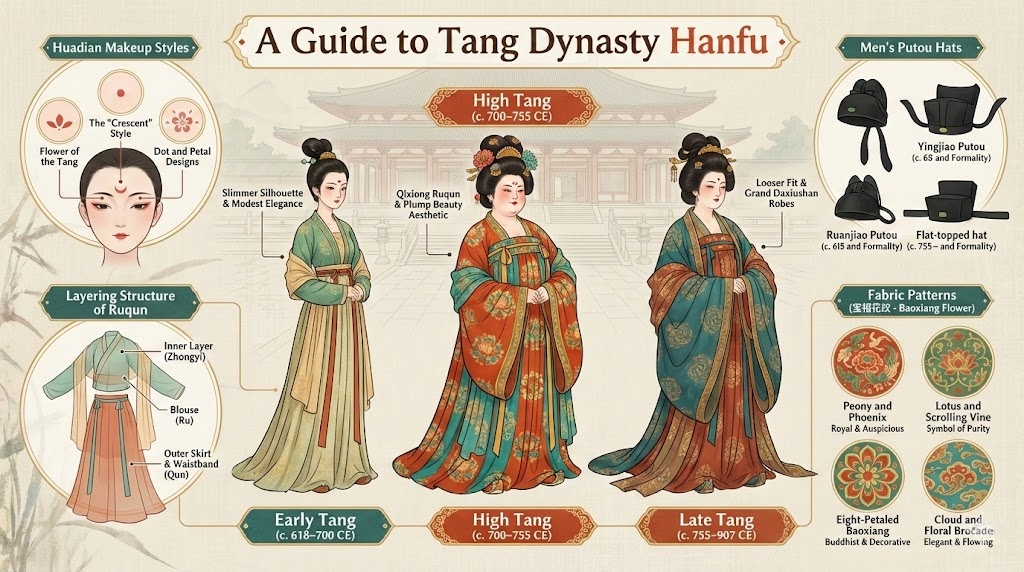
Understanding the timeline is the first step to an authentic look. In the Early Tang (c. 618–700 CE), the style was characterized by a slimmer silhouette and modest elegance, emphasizing vertical lines. As the dynasty reached its peak during the High Tang (c. 700–755 CE), beauty standards shifted toward “plump beauty,” popularized by figures like Yang Guifei. This era introduced the Qixiong Ruqun (chest-high skirt), which creates a voluminous, flowing shape. By the Late Tang (c. 755–907 CE), the fit became even looser, featuring grand Daxiushan (large-sleeved) robes that signaled high social status and formality.
Anatomy of an Authentic Outfit
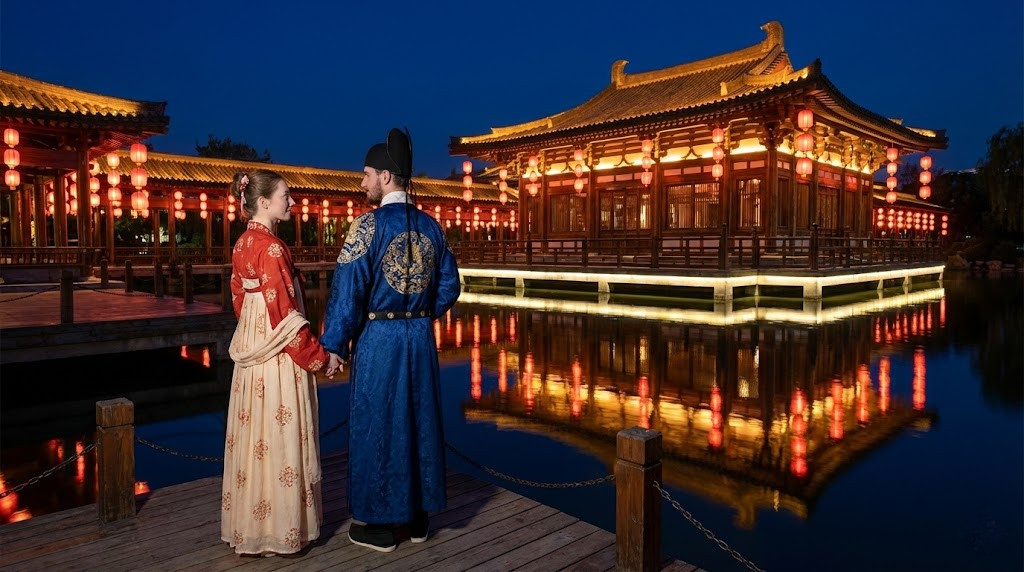
A complete Tang ensemble is never just a single dress. In 2026, reputable rental boutiques insist on a three-layer structure to ensure the garment hangs correctly. This includes the Zhongyi (inner layer), the Ru (blouse), and the Qun (outer skirt and waistband). For men, the look is defined by the Putou hat. Depending on the level of formality, travelers choose between the soft Ruanjiao Putou or the stiff, winged Yingjiao Putou, which became the standard for officials.
Makeup and Fabric Motifs
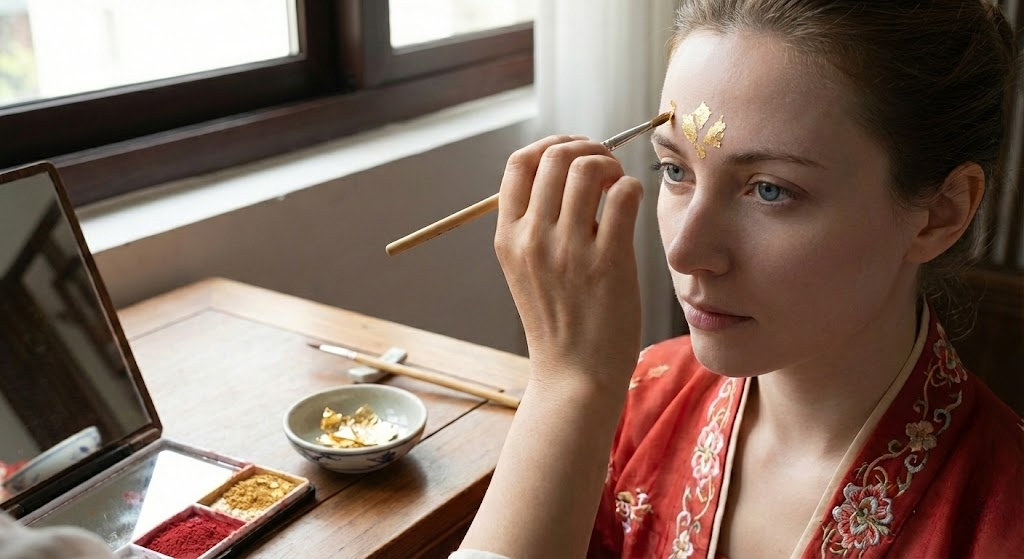
No Tang Dynasty look is complete without Huadian—the intricate forehead makeup. Options range from simple “Crescent” styles to complex “Flower of the Tang” designs using red pigments or gold leaf. When choosing fabrics, look for specific motifs like the Peony and Phoenix for a royal appearance, or the Eight-Petaled Baoxiang flower for a more decorative, Buddhist-inspired aesthetic. Avoid cheap, shiny synthetics; local insiders in 2026 prioritize matte, textured brocades that photograph better under natural light.
The Anatomy of Tang Opulence: Choosing Your Silhouette
The “Empress” look is practically synonymous with the Qixiong Ruqun (chest-high skirt). Browsing the shops this year, it became clear that the better studios have moved away from the “one-size-fits-all” sets common in tourist stalls. The goal now is to create a sense of “plumpness” and grace—wealth in the Tang Dynasty was displayed through volume, not slimness.
1. The Qixiong Ruqun (Chest-High Skirt)
This outfit is essentially a short shirt (Ru) tucked under a high-waisted skirt (Qun) tied right above the bust. Newer 2026 styles feature “double-layer” skirts using silk organza, which gives an incredible floating effect when walking.
A quick note on weather: Heavy silk in July is a nightmare—a lesson learned the hard way. If you are planning your trip, definitely check our Best Month to Visit China for Good Weather: The 2026 Insider Guide to avoid sweating through an expensive rental.
2. The Daxiu Shan (Large Sleeve Cloak)
To really feel like royalty, a sheer, wide-sleeved outer robe is essential. The sleeves on these pieces are massive—at least 1.5 meters wide. Without one, the look feels more like a court maid; with it, the “butterfly” movement created while walking completely changes your posture.
3. Pibo (The Silk Scarf)
Skipping this long, narrow scarf that drapes over the elbows seems like a good idea until the stylist insists on it. In 2026, the trend is hand-painted floral motifs or gold stamping. It ties the whole messy, colorful look together.
2026 Makeup Mastery: The “Three Marks” of the Empress
Makeup has become a serious discipline here. It’s not just about looking pretty; it’s historical reconstruction. When deciding to Book attractions on Trip.com to find a photographer, look specifically for artists who know the “three marks” of Tang facial decoration. Here is what actually goes onto the face:
- Huadian (Forehead Ornament): This is the main event. Back in 2024, stickers were common. Now, artists are hand-painting designs or using real gold leaf. My artist applied a stylized peony pattern that took about 20 minutes to perfect.
- Mianye (Dimple Dots): These are two small dots at the corners of the mouth. Originally meant to mimic dimples, they are now often applied as deep crimson dots, or even tiny pearls for high-end shoots.
- Xiehong (Temple Slanting): This is the wildest part. They paint two red, crescent-shaped marks on the temples. Historically it mimicked a scar, but in 2026, it acts like a bold contour that frames the eyes perfectly for the camera.
Where to Rent: The 2026 Landscape
The rental market is pretty split these days. “Express” shops ($15–$30 USD) are fine for a quick selfie, but generally, skipping them is best for the “Empress” vibe. A “Boutique Studio” ($80–$250 USD) offers the full transformation.
Xi’an (The Epicenter)
The area around the Grand Tang Mall is basically the gold standard. It feels like the whole neighborhood is an open-air studio. Booking a session at a studio near the mall saves a lot of hassle. Walking in these dresses is slow and exhausting, so minimizing the commute is key.
- Logistics: For help fitting this into a trip, take a look at our Beijing Xi’an Shanghai 10-Day Visa-Free Itinerary: 2026 Logistics Guide.
Luoyang (The Rival)
While Xi’an gets all the hype, Luoyang offers the Sui-Tang Luoyang City National Heritage Park, where the backdrop feels more architectural. The “Empress” look in Luoyang leans heavily into the Wu Zetian history—think darker purples and heavier gold embroidery.
Trying to Find hotels on Trip.com within walking distance of these historic districts is a smart move. Fighting for a taxi while wearing a 3-meter skirt is not an experience anyone wants to repeat.
Step-by-Step: The “Empress” Day Timeline
1. Morning Preparation (09:00 AM)
Arrive with clean hair and zero product on the face. The specialized Hanfu greasepaint requires a dry base to stick for 12 hours, so heavy moisturizers are a no-go.
2. Hair Scaffolding (10:00 AM)
The “High Bun” (Gaosong) is heavy. This year, studios have started using lightweight 3D-printed hair frames to provide height without breaking the neck. Still, expect about 20 gold pins to be shoved into the hair structure.
3. The Fitting (11:00 AM)
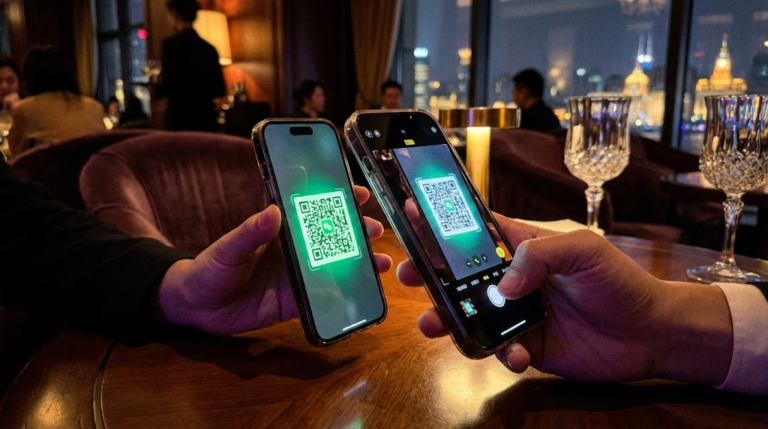
Stylists will tie the Qixiong (chest tie) aggressively tight. It might feel uncomfortable, but without that tension, the skirt slips down within an hour. A deposit for the jewelry is usually required, so having mobile payments set up is crucial.
- Reference: If you haven’t done this yet, read How to Use Alipay in China (2026): Foreign Tourist Guide to Visa & Mastercard Payments.
4. Photography (12:30 PM)
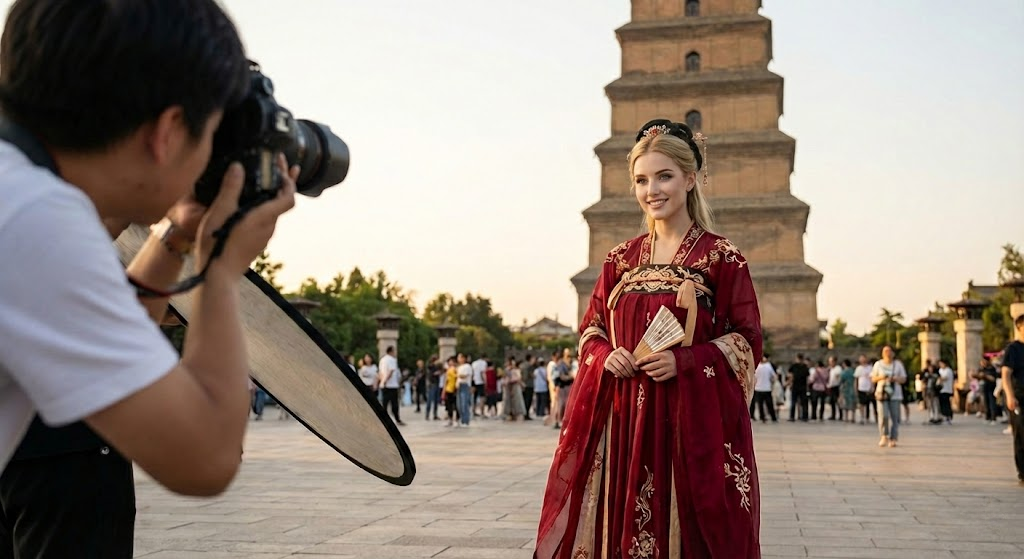
Book High-Speed Rail to Xi’an for a mid-week arrival if possible. Scheduling the shoot for a Tuesday makes a huge difference; weekend crowds make getting a “clean” shot almost impossible.
Risks and Warnings: What the Brochures Won’t Tell You
The photos look ethereal, but the reality of wearing the “Empress” look involves some physical struggles that most people don’t talk about:
- The Weight: Between the layers of brocade and the crown (Fengguan), expect to carry about 7kg of extra weight. It is exhausting.
- Restroom Logistics: This is the biggest mistake travelers make. Using a standard toilet in a Qixiong Ruqun is a logistical nightmare. Go to the bathroom before the skirt is tied.
- The Heat: High-end silk does not breathe. For visits in the summer of 2026, ask for a “Summer Tang” set made of thinner Sha (gauze).
- Social Etiquette: You effectively become a tourist attraction. Most locals are polite, but getting “stealth” photos taken by strangers is part of the package.
2026 Practicality: Payments, Policy & Connectivity
Renting Hanfu is easier than it used to be, but staying on top of the tech is still necessary.
- Policy Note: Visa-free transit policies, VPN accessibility, and foreign card support for Alipay and WeChat Pay can vary by region. Always check the latest official updates before flying.
- Digital Files: Most photographers won’t hand over a USB drive. They prefer to AirDrop the photos or send a cloud link (usually Baidu Wangpan) within 48 hours. Make sure to Get a China eSIM with at least 20GB of data to download the huge raw files on the go.
- Security: Uploading shots to Instagram requires a VPN. We’ve been using this Surfshark Discount to keep connections secure and bypass the firewall.
- Read More: For more on staying online, check out The Great Firewall Survival Guide 2025: VPN vs. eSIM (What Actually Works?).
Comparison: Tourist Grade vs. Empress Grade
Here is a quick breakdown of the value for money compared to the cheaper options on the street:
| Feature | Tourist Rental (100-200 RMB) | Empress Boutique (800+ RMB) |
| Fabric | Shiny Polyester / Nylon | Raw Silk / Brocade / Gauze |
| Makeup | Standard “Wedding” style | Historical Reconstruction (Xiehong, etc.) |
| Hair | Simple wig piece | Multi-part “High Bun” with metal filigree |
| Photography | 15 mins “point and shoot” | 2-hour scripted artistic session |
| Authenticity | Low (looks like a costume) | High (looks like a film set) |
Mistakes to Avoid
- Mixing Dynasties: Wearing a Ming Dynasty “horse-face skirt” with a Tang chest-high top is the 2026 equivalent of wearing a tuxedo jacket with swim trunks. For a deep dive on styles, read How to Rent Hanfu in China (Updated 2026): A Practical Insider Guide.
- Ignoring the Shoes: White sneakers might seem hidden, but they ruin the illusion instantly during “lift and step” shots. Renting the “Cloud-toed” shoes (Yuntou Xie) is worth the extra few dollars.
- Over-accessorizing: The “Empress” look relies on the quality of the robe and the makeup. Adding extra plastic hairpins makes the look “cluttered” rather than regal.
Frequently Asked Questions
-
Can I wear Hanfu if I am not Chinese?
Absolutely. In 2026, Hanfu is seen as a cultural export. Wearing it in Xi’an or Luoyang usually elicits pride and appreciation from locals happy to see international travelers putting in the effort to get the details right.
-
How long does the total transformation take?
It’s a commitment. For the full “Empress” set, budget about 3 hours. That includes 1 hour for makeup, 45 minutes for the intricate hair, and 30 minutes just to get dressed properly.
-
Is it okay to wear the outfit on the Metro?
Yes, it happens all the time. In Xi’an, seeing people in Hanfu on the subway is normal. Just be careful with long sleeves getting caught in the sliding doors. Reading our China Metro Payment Guide: Avoid Getting Stuck at the Gate (2026) can help make the turnstiles easier.
-
What is the best month in 2026 to visit for photos?
Late October to early November is ideal. The ginkgo trees at the Guanyin Temple turn gold, matching the yellow and gold tones of the Tang-era clothing perfectly.
-
Do I need to bring my own makeup?
It’s not mandatory, but bringing lipstick is a good idea. The studio stuff is often a heavy-duty stain that is incredibly hard to scrub off without a professional oil cleanser, so using personal products for touch-ups is often preferred.
Final Thoughts for the 2026 Traveler
The Tang Dynasty Hanfu experience is honestly more than just a photo op; it feels like a time-traveling exercise. Wearing that much brocade requires patience and a bit of physical endurance, but it remains a highlight of any trip. Focusing on the details—the fabric weight, the forehead markings, and the right location—elevates the whole thing from a standard vacation activity to a cinematic memory.