How to Prepare for China in 2026: A Step-by-Step Timeline for Beginners
Last Updated: January 8, 2026 Target Audience: First-time Leisure & Business Travelers
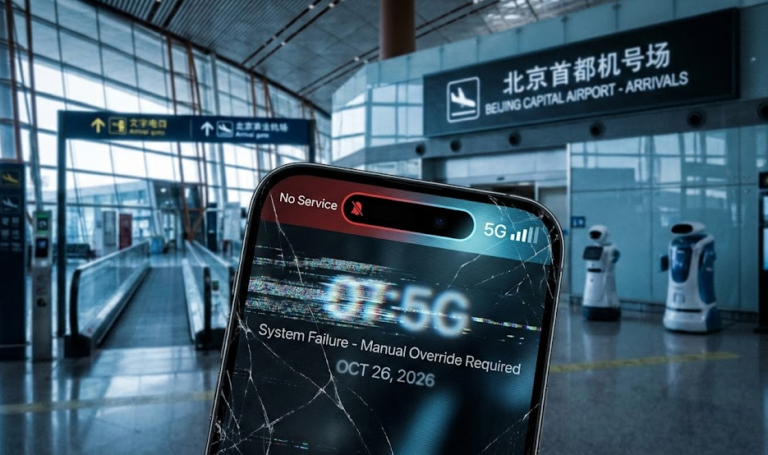
At 8:00 AM, you land at Beijing Capital Airport. You open your phone to check Google Maps or WhatsApp, but the screen says “No Connection.” You try to hail a taxi, but the driver points to a QR code on his dashboard—cash is no longer king here.
This is the reality for First-Time China Travel 2026.
Visiting China today is less about packing the right clothes and more about establishing your digital ecosystem before you even board the plane. Whether it is installing a VPN, verifying your identity on Alipay, or securing Forbidden City tickets during the 8:00 PM rush, this checklist prioritizes the logistical hurdles that trip up beginners.
Mandatory Disclaimer: Policy details vary by region and change without notice. Confirm with your local embassy or airline before booking.
Phase 1: Documents & Routing (1–3 Months Out)
Passport & Visa Strategy for First-Time China Travel 2026
Your first step is physical, not digital. Check your passport immediately; it must have 6 months of validity remaining and at least 2 blank pages.
In 2026, entry usually falls into three categories:
- Visa-Free Entry: Check if your country (e.g., Germany, France, Italy, Malaysia, Australia) is on the current waiver list.
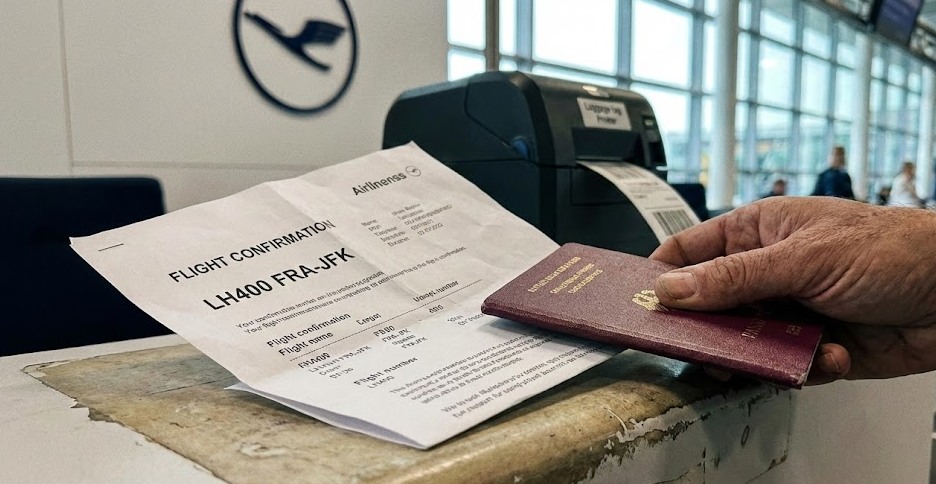
- 144/240-Hour Transit: You must hold a confirmed ticket to a third region (Country A -> China -> Country C). A round trip (London -> Shanghai -> London) will result in denied entry.
- Standard Visa: If ineligible for the above, apply for an L-Visa (Tourist) 1-2 months in advance.
Lock in International Flights
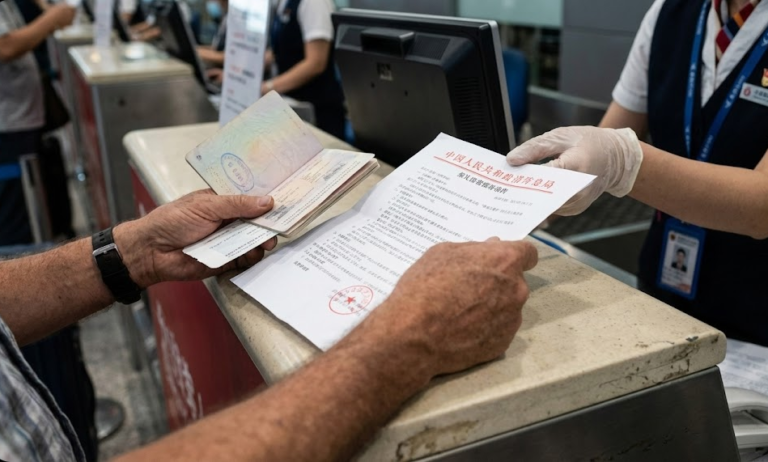
If you are using the transit policy, airline counters will strictly verify your onward ticket to the third country. It is safer to reserve international flights on Trip.com using the “Multi-City” feature, which ensures your full A-B-C route is visible on a single booking reference for the agent.
Phase 2: Digital Wall Setup (1 Month Out)
VPN, Alipay & eSIM Setup for First-Time China Travel 2026
The “Great Firewall” is real. Inside China, Google, WhatsApp, Instagram, and Gmail are inaccessible. You must install a VPN before you fly; downloading one after arrival is nearly impossible as VPN websites are blocked.
The Digital Triad:
- The Tunnel (VPN): Secure a Surfshark VPN subscription while you are still home. Install it on all devices and test that you can connect.
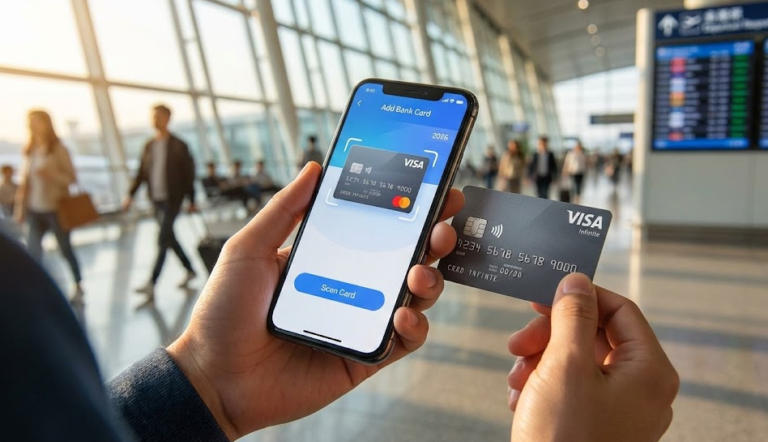
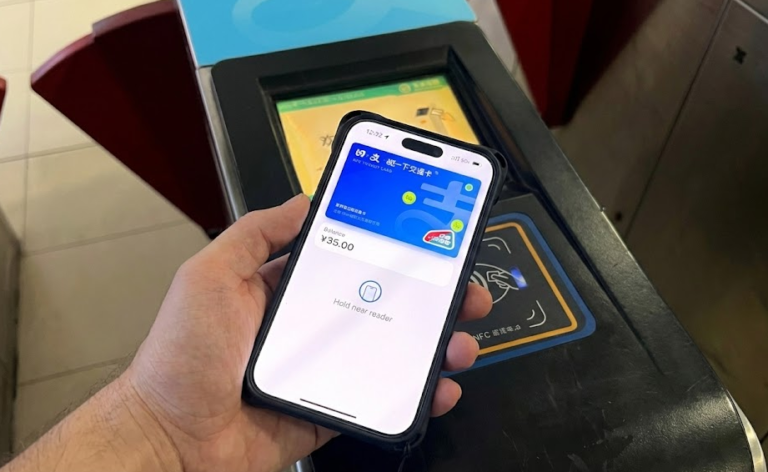
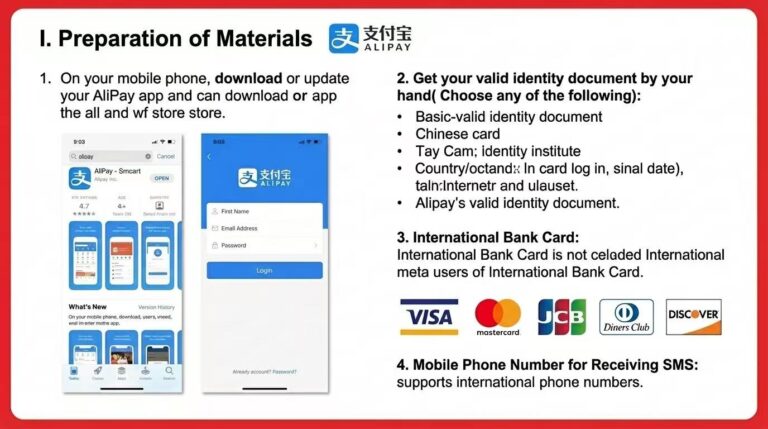
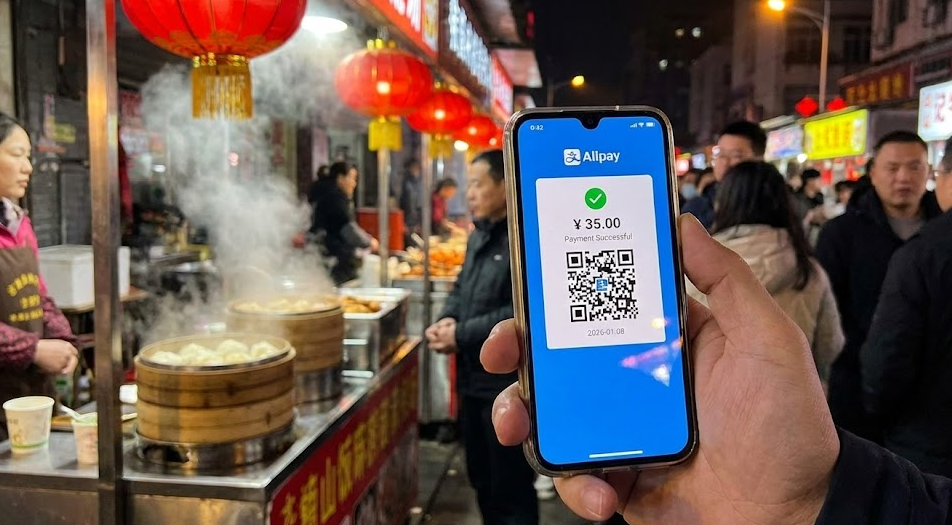
- The Wallet (Alipay/WeChat): China is cashless. Download Alipay, link your foreign Visa/Mastercard, and—crucially—upload your passport photo to verify your identity. Without verification, you cannot pay for hotels.
- The Backup (eSIM): Public Wi-Fi often requires a Chinese phone number to access. As a fail-safe, purchase a China High-Speed eSIM data plan. Roaming data often bypasses the firewall automatically, keeping you connected if your VPN struggles.
Phase 3: High-Speed Train & Ticket Strategy (7–15 Days Out)
Navigating the “Ticket Rush”
China’s rail network is efficient, but popular routes like Beijing-Shanghai sell out in minutes. Tickets release exactly 15 days before departure. While locals use 12306, the interface is difficult for non-Chinese speakers.
For peace of mind, reserve high-speed train tickets on Trip.com. You can queue your booking request days in advance, and the system will attempt to grab the ticket the second it releases.
The Forbidden City Scramble
The Forbidden City is the hardest ticket to secure. Tickets release at 8:00 PM Beijing Time exactly 7 days in advance. At 20:00 sharp, thousands of travelers refresh the official app, and tickets often vanish within minutes. If you aren’t confident with the timezone math, booking agent services are a reliable alternative.

Phase 4: Final Packing & Compliance (48 Hours Out)
Packing, Medicine & Police Registration Checklist
Chinese airport security is strict regarding lithium batteries. They must be in your carry-on bag (checked bags with batteries are confiscated) and the capacity must be clearly labeled and under 20,000mAh (100Wh).
By law, foreigners must register with the police within 24 hours of arrival. Licensed hotels handle this automatically at check-in by scanning your passport. To avoid legal hassles or being turned away late at night, reserve international-friendly hotels on Trip.com that are verified to accept foreign guests.
FAQ: Real Traveler Insights
-
Can I really use my Visa card with Alipay?
Yes, Visa and Mastercard integration is stable in 2026. However, transactions over 200 RMB incur a 3% fee. I recommend keeping about 500 RMB in cash for small vendors or elderly taxi drivers who might struggle with international cards.
-
What is the backup plan if my VPN fails?
Don’t rely on just one. Install Surfshark plus 1-2 free backup VPNs before you leave. If all else fails, your eSIM roaming data routes traffic outside the firewall, letting you access WhatsApp/Gmail even without a VPN.
-
How do I scan my passport at the train station?
In major hubs like Shanghai Hongqiao, the gates have passport scanners. Place the photo page face down. In smaller cities or older stations, look for the “Manual Lane” (usually on the far left or right) and allow 30 extra minutes for the staff to manually input your details.
-
Is the 7-day Forbidden City rule strict?
Extremely. If you want to visit next Wednesday, you must be online this Wednesday at 20:00 Beijing Time. There are no tickets sold at the door. If you miss out, Jingshan Park across the street offers the best panoramic view of the palace without a reservation.