China Visa Policy 2026: Which Cities Allow 240-Hour Visa-Free Entry?
Last Updated: January 8, 2026
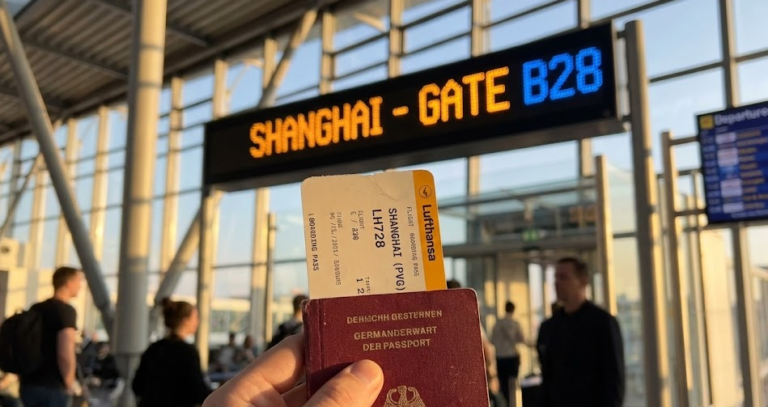
Boarding a flight to Shanghai or Beijing in 2026 often depends more on the airline’s database status than the traveler’s intent. While China visa policy updates 2026 suggest a shift toward 240-hour (10-day) stays at major hubs, ground staff at European and North American airports frequently face lag times in their systems regarding local port practices. Entry depends on documentation and routing compliance rather than verbal explanations at the check-in counter.
Implementation varies by port and airline database status; travelers should be prepared for inconsistent enforcement. Reports from travelers in early 2026 indicate that while the 10-day limit is increasingly applied at primary gateways, border inspection focuses heavily on the correct itinerary structure of the transit route.
Mandatory Disclaimer: Policy details vary by region and change without notice. Confirm with your local embassy or airline before booking. Border inspection authorities retain final discretion regardless of reported policy implementations.
1. Reported 30-Day Unilateral Visa-Free Waivers
Practice at major ports suggests the unilateral visa-free program remains the primary entry route for citizens of more than 40 countries. This policy has been announced as active through December 31, 2026, subject to extension or early termination.
Reported Eligible Countries (As of early 2026):
- Europe: Germany, France, Italy, Spain, Netherlands, Switzerland, Ireland, Hungary, Austria, Belgium, Luxembourg, Poland, Portugal, Greece, Cyprus, Slovenia, Slovakia, Norway, Finland, Denmark, Iceland, Monaco, Liechtenstein, Andorra, Sweden.
- Asia-Pacific: Australia, New Zealand, South Korea, Malaysia, Singapore.
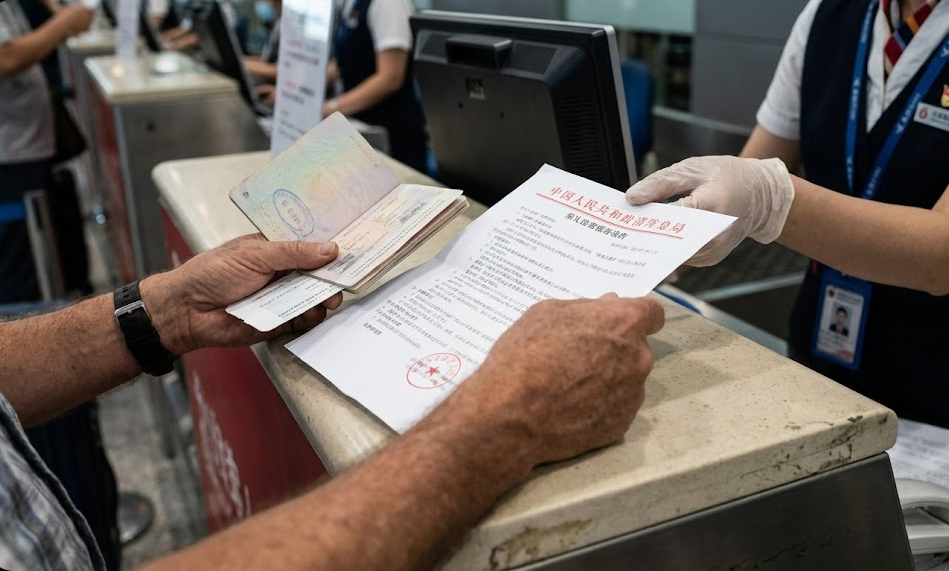
Travelers from these nations typically use standard immigration lanes. Holding a printed copy of the latest official announcement in Chinese can assist in resolving disputes with airline agents who may not see the 2026 extension in their local systems.
2. Is the 240-Hour Transit Really Confirmed?
The Transit Without Visa (TWOV) program is the critical entry tool for citizens of the USA, UK, and Canada. While many legacy signs still refer to the 144-hour rule, airport reports in 2026 indicate the 240-hour transit permit is increasingly applied at hubs in Shanghai, Beijing, and Guangzhou.
A-B-C Routing Compliance:
Border inspection focuses on itinerary structure. Entry is contingent on a confirmed path where China is a stopover between two different international regions.
- Region A (Origin): Country/region of the flight into China.
- Region B (China): The transit zone (e.g., Yangtze Delta).
- Region C (Destination): Must be a different country/region from Region A.
- Note: Hong Kong, Macau, and Taiwan are treated as Region C for these purposes.
- Risk: A London-Shanghai-London path is a round-trip and will be rejected.
To ensure the entire itinerary is visible on a single Passenger Name Record (PNR) and reduce the likelihood of boarding denials, travelers often use platforms that support multi-city bookings like Trip.com.
3. Who Should NOT Use the TWOV?
Even if eligible, the 240-hour transit permit is not suitable for every itinerary. Avoid this entry method if:
- You have separate tickets with checked luggage: If you cannot check bags through to Region C, you may need to enter China to re-check them. If the first airline refuses to board you because they don’t see the second ticket in their system, you will be stranded.
- You have a technical stop: Flights stopping in a secondary Chinese city (e.g., Changsha or Xi’an) before the main hub trigger the transit clock early. If that city is not an approved TWOV port, entry is denied.
- You plan to visit multiple zones: You cannot enter via Shanghai and fly out of Beijing. This requires a standard tourist visa.

4. Region Locking & Movement Restrictions
Permit implementation is restricted to specific provincial clusters. Movement outside these clusters is treated as a violation and may result in penalties, including fines or temporary entry bans.
| Reported Transit Cluster | Permitted Movement Area | Port Examples |
| Yangtze Delta | Shanghai, Jiangsu, Zhejiang | PVG, SHA, HGH, NKG |
| Jing-Jin-Ji | Beijing, Tianjin, Hebei | PEK, PKX, TSN |
| Pearl River Delta | Guangdong Province | CAN, SZX |
Any travel to another administrative zone (e.g., Shanghai to Beijing) is prohibited. To secure seats within the 14-day booking window for permitted intra-zone travel, book train tickets on Trip.com in advance.
5. Step-by-Step Arrival Checklist
The process at the border is document-driven.
- Locate the Desk: Look for blue signage labeled “24/240-Hour Transit.”
- Digital Pre-filing: Use the kiosks to scan your passport and submit the digital arrival card.
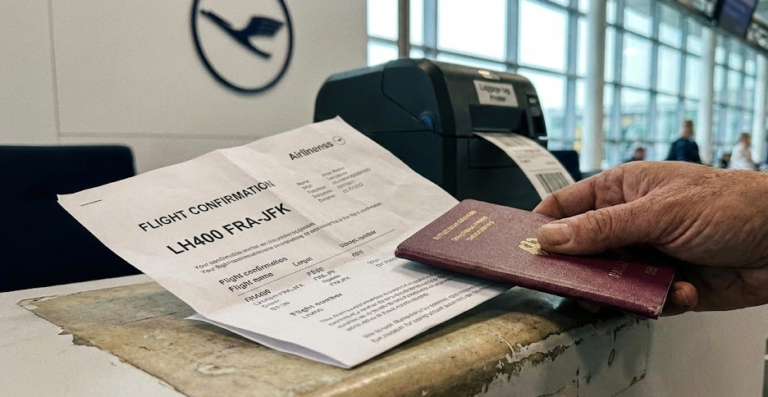
- Physical Documentation: Always carry printouts of hotel and flight bookings. Border officers may reject digital screens if the PNR verification fails in their system.
- Police Registration: Licensed hotels scan passports for the Public Security Bureau (PSB) registration at check-in. Staying in a private residence requires a physical visit to the local police station with your host within 24 hours.
Verify International-Friendly Hotels on Trip.com before booking to ensure the property is licensed to register foreign nationals.
6. Digital Readiness
China is effectively cashless in 2026. Smooth entry relies on digital tools being ready before arrival.
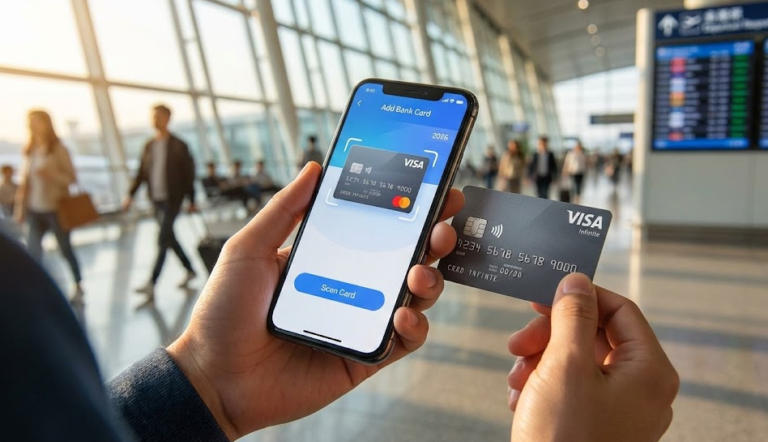
- Payment: Link your card to Alipay before departing. Perform a 1 RMB test transaction while still on home Wi-Fi to ensure your bank does not block the transaction as “suspicious.”
- Connectivity: To keep WhatsApp and Google accessible without complex local VPN setups, get a China eSIM that routes traffic through Hong Kong.
- VPN: If hotel Wi-Fi forces local routing, a pre-installed VPN prevents access interruptions. Check Surfshark for 2026 setup.

FAQ: China Visa Policy 2026
-
Can I cross transit zones if I buy a separate ticket?
No. Purchasing a ticket (e.g., train or flight from Shanghai to Beijing) does not authorize travel. The transit permit is legally bound to the specific administrative cluster of entry. Crossing boundaries is an immigration violation.
-
Is it possible to use back-to-back TWOV entries?
Travelers have reported success with “visa runs” to Hong Kong (e.g., Shanghai-HK-Shanghai), but immigration officers may question the “purpose of stay” if done consecutively. It is not a guaranteed method. Enforcement varies by port and officer discretion.
-
Do children also need hotel registration?
Yes. Every foreign national, regardless of age, must be registered with the police (PSB). Licensed hotels will scan the passports of all family members, including infants.
-
What if my luggage is on a separate ticket?
This is a high-risk scenario. If your bags are not checked through to Region C, you must clear immigration to collect them. If the first airline believes you are not eligible for entry, they may deny boarding at origin. We strongly recommend booking all legs on a single ticket.
-
What if I stay with a friend and don’t register?
Unregistered stays are frequently identified during exit checks. Penalties can range from warnings to fines (500-2,000 RMB).
-
Does Hong Kong count as a “third country”?
Yes. Hong Kong, Macau, and Taiwan are treated as separate regions from Mainland China for A-B-C routing purposes.
-
Is a VPN required if I have a roaming eSIM?
Usually no. Most roaming eSIMs route data through external servers. A VPN is generally only necessary if you switch to local hotel Wi-Fi for work tasks.
-
What if my flight is delayed and I overstay?
You must obtain a “stay permit” extension from the local immigration authorities. The authorities usually respond to documented flight delays, but the issue must be reported before the permit expires. Enforcement may vary depending on the port of entry and the discretion of individual officers.