China Corporate Dining Etiquette 2026: Business Banquet Protocol for Foreigners
You glance at the chair facing the door—it remains empty. In 2026, sitting there prematurely could freeze conversation before the first dish arrives, as this seat is considered sacred; only a host’s gesture grants permission to occupy it. Following China Corporate Dining Etiquette 2026 ensures your business relationships start on the right foot by demonstrating cultural fluency and respect for hierarchy. Pay attention to seating and subtle social cues—they often carry more weight than the verbal negotiations that follow.
1. The Power Grid: Seating Hierarchy in 2026
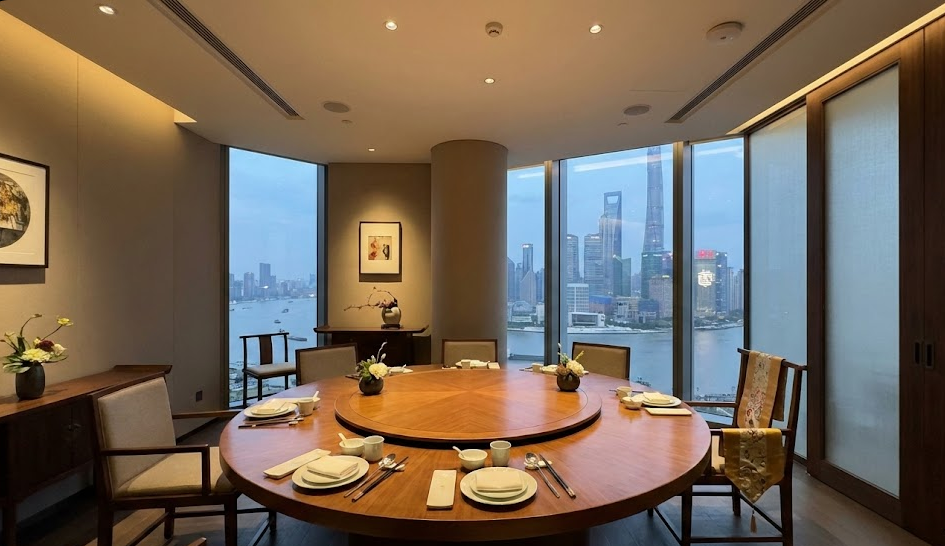
In 2026, table placement remains a physical map of professional standing. Even in modern, tech-centric cities like Shenzhen or Shanghai, local professionals strictly observe the “Honor Seat” protocol to signal respect to senior leadership and key clients. If you are entering the country on a 240-hour visa-free transit for a quick meeting, mastering these basics is non-negotiable.
The Guest of Honor’s Position
The seat furthest from the entrance, directly facing the door, is reserved for the highest-ranking individual. As an invited foreigner, do not approach this chair until the host explicitly invites you to sit with a formal gesture.
The Host’s Command Post
The person footing the bill sits closest to the door or the service entrance. This position allows them to coordinate with waitstaff and handle the digital payment via phone without disrupting the group’s flow.
| Position | Location | Social Duty |
| Guest of Honor | Facing the door | Accepts first serving; leads the start of the meal. |
| The Host | Back to the door | Orders the menu; manages service and payment. |
| Second Guest | Right of Guest of Honor | Maintains high-level engagement with the lead guest. |
Common Mistake to Avoid: Sitting down before the host or the Guest of Honor. If you are an observer or junior associate, wait at the side of the table until the senior members have chosen their seats.
2. The Turntable: Lazy Susan Rules
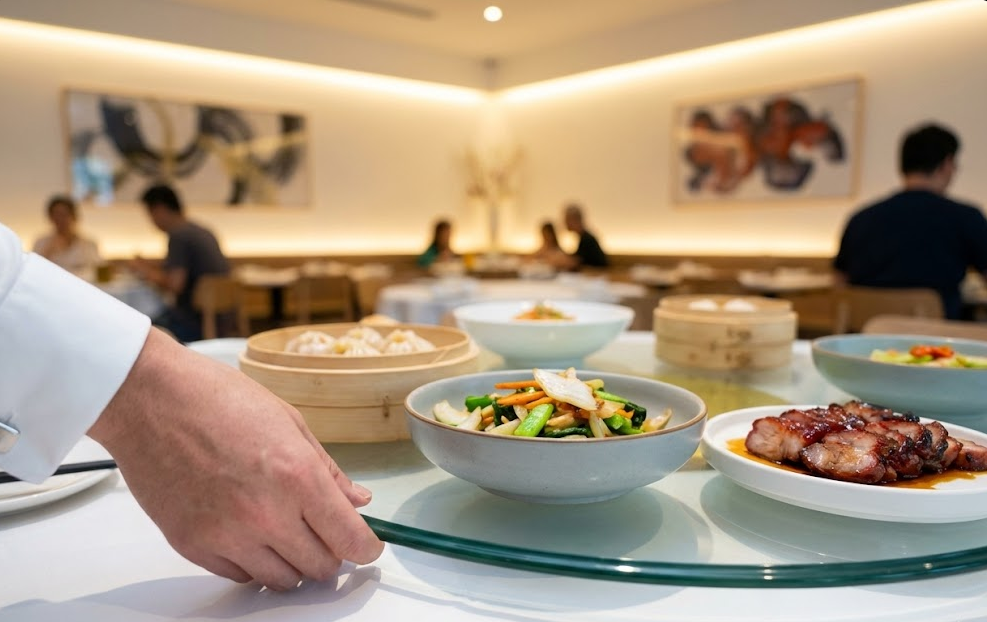
The Lazy Susan facilitates communal sharing but requires a subtle understanding of timing. Mismanaging the tray is one of the most visible etiquette errors for foreigners in 2026.
The Clockwise Rotation
Always rotate the tray clockwise. Rotating it counter-clockwise is considered disruptive and can lead to reaching-collisions with other diners. Ensure the tray is not spinning while someone else is actively scooping food.
Signature Dish Protocol
When a signature dish—like a whole steamed fish—is placed on the table, it must be rotated immediately to face the Guest of Honor. They must take the first portion before the tray moves again.
Book your Peking Duck Tasting Experience
Quick Tip: Local professionals in 2026 often rotate the Lazy Susan slightly for guests seated far from a specific dish—a subtle gesture of attentiveness.
3. Digital Ordering and the “Clean Plate” Policy
In 2026, the paper menu is obsolete. The dining experience is managed through a single QR code scan that links directly to payment platforms.
QR-Code Ordering and AI Suggestions
Diners scan a QR code at the table to access the menu. In 2026, many interfaces use AI to suggest an “N+1” menu based on your group size. To avoid technical embarrassment, ensure your Alipay or WeChat Pay is linked to a functional international card.
Connectivity Requirements
Network lag can stall your order, so a China eSIM is recommended for high-speed data. If you need to access translation tools or external apps while at the table, consult our VPN vs. eSIM guide to ensure you stay connected.
Compliance with Anti-Waste Laws
China’s 2026 “Clean Plate” policy is strictly enforced in urban centers. Ordering an excessive amount of food to “show off” wealth is socially frowned upon. Local travelers often pre-check Dianping for highly-rated set menus to ensure the right quantity.
4. Chopstick Protocol and Hygiene (Gongkuai)
Chopsticks are tools of precision, and their misuse can be deeply offensive or seen as unhygienic in 2026 China.
The Incense Burial Taboo
Never stick your chopsticks vertically into a bowl of rice. This mimics the incense sticks used in funeral rites and is considered a curse or an omen of death.
Using Public Serving Utensils (Gongkuai)
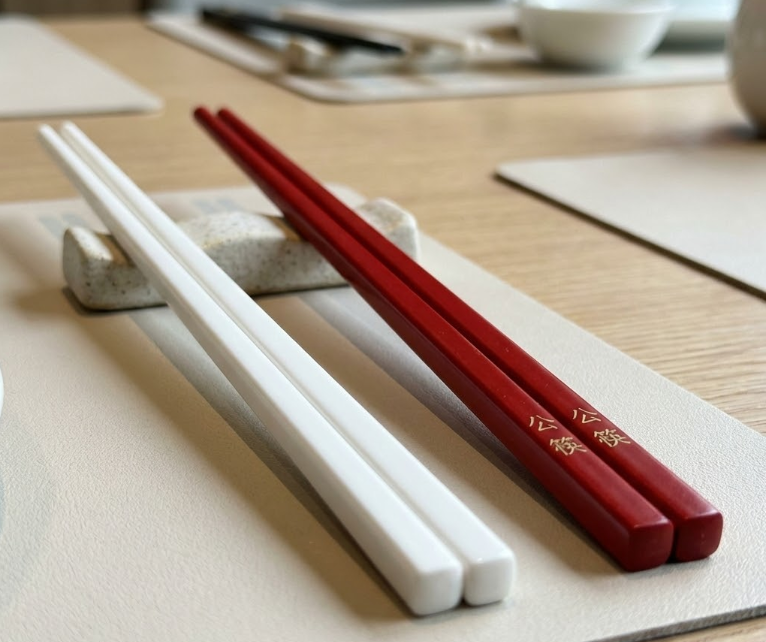
In 2026, every shared dish comes with “Public Chopsticks,” usually colored red or black. Use these to move food to your plate, then switch back to your personal set. Never use your personal, saliva-touched chopsticks to touch food on the central tray.
Common Mistake to Avoid: “Mining” for specific ingredients like shrimp in a communal dish. Take only what is on the surface and closest to you.
5. The Bill Ritual and Saving Face
The end of the meal is a choreographed social performance deeply tied to the concept of Mianzi (Face). For a deeper dive into these social dynamics, read our guide on Saving Face in China.
The 3-Step Social Performance
- The Guest’s Offer: As the meal winds down, make a polite, verbal offer to pay or ask for the check.
- The Host’s Rejection: The host will immediately refuse, often blocking the guest from the counter or their phone screen.
- The Gracious Acceptance: Allow the host to pay. Expressing gratitude for the “hospitality and expense” (pò fèi le) is the cultural goal.
The Finger Tap and Toasts
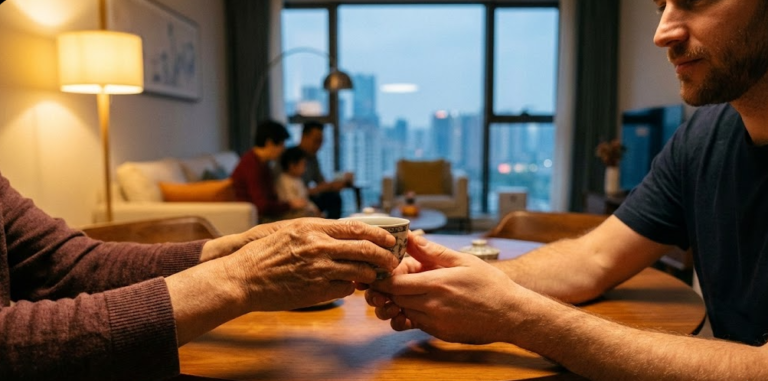
When someone refills your tea, tap your index and middle fingers twice on the table. This is a silent “thank you.” If a host says “Ganbei” (Bottoms up), you are expected to drain your glass.
Quick Tip: If you cannot drink alcohol, raise your tea glass and say, “Wǒ yǐ chá dài jiǔ” (I use tea instead of wine). This is fully accepted in 2026 corporate circles.
FAQ Block
-
What do I do if I drop a chopstick?
Drop a chopstick → signal server immediately → receive sanitized replacement. Do not pick it up yourself.
-
How do I handle a “Ganbei” toast if I don’t drink?
Ganbei → raise tea glass → nod politely toward host. You must participate in the gesture, even with a non-alcoholic beverage.
-
What if the QR code menu is only in Chinese?
Screenshot → WeChat translate feature → use Surfshark VPN / Google Lens as backup.
-
What if someone pours too much tea into my cup?
Tap twice on the table → take only a small sip. This shows gratitude without interrupting the conversation or forcing yourself to finish a full cup.
-
Can I drink the water served at the table?
Only if served hot (tea/boiled). Avoid cold tap water. Use bottled water provided by the restaurant or hotel.
-
Is it rude to use a fork in 2026?
Forks are available in major cities like Shanghai. However, using chopsticks shows effort and cultural respect in business settings.
Next Steps for Your Trip
- Connectivity: Get China eSIM for seamless QR code ordering and payments.
- Security: Use a Surfshark Deal to access translation and map apps at the table.
- Logistics: Book Flights , Find Hotels , and Book High-Speed Trains for your 2026 business trip.
Disclaimer: Local dining policies, QR code payment methods, and alcohol rules may vary across regions in 2026. Confirm with your embassy or the restaurant before booking.