Buying Song-Style Hanfu in Hangzhou, China: Price Guide & What to Look For (2026)
Five years ago, the Su Causeway looked like a chaotic movie set of Tang Dynasty cosplayers. That era is over. On my last walk through the Hubin district in early 2026, the glittery, polyester robes had vanished, replaced by the cool, vertical silhouettes of the Song era. This shift changes everything if you are buying Song-style Hanfu in Hangzhou—you are no longer shopping for a costume, but for legitimate summer streetwear.
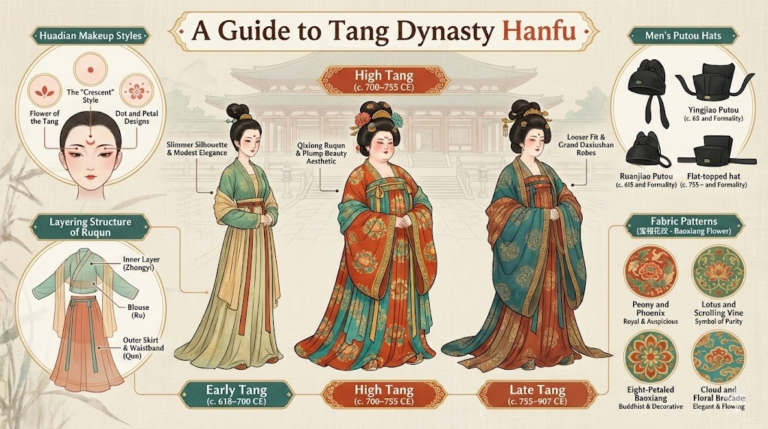
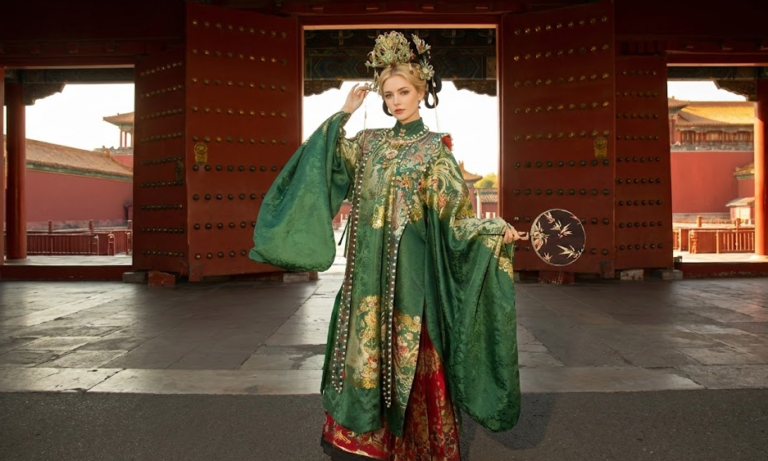
Local fashion leaders on Hubin Pedestrian Street have largely moved on from the “costume party” look—often seen at the Tang Dynasty Hanfu Experience Xi´an—in favor of this 12th-century silhouette. For the modern traveler, this style isn’t just about history; it’s practical. It is lightweight, breathable, and sophisticated enough for a coffee run in Shanghai or a business lunch in Shenzhen.
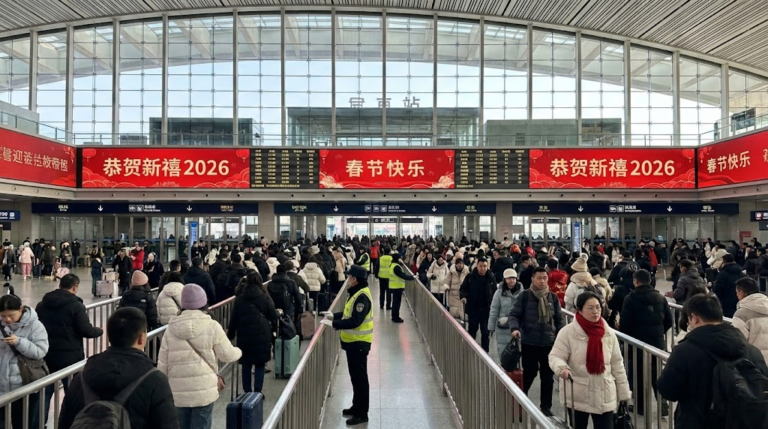
To see this style in its natural habitat, you need to get to the source. If you are coming from Shanghai, the most efficient move is to Book High-Speed Rail to Hangzhou East, a 45-minute trip that lands you in the heart of the Southern Song capital.
The Aesthetic Shift: A First-Hand Observation
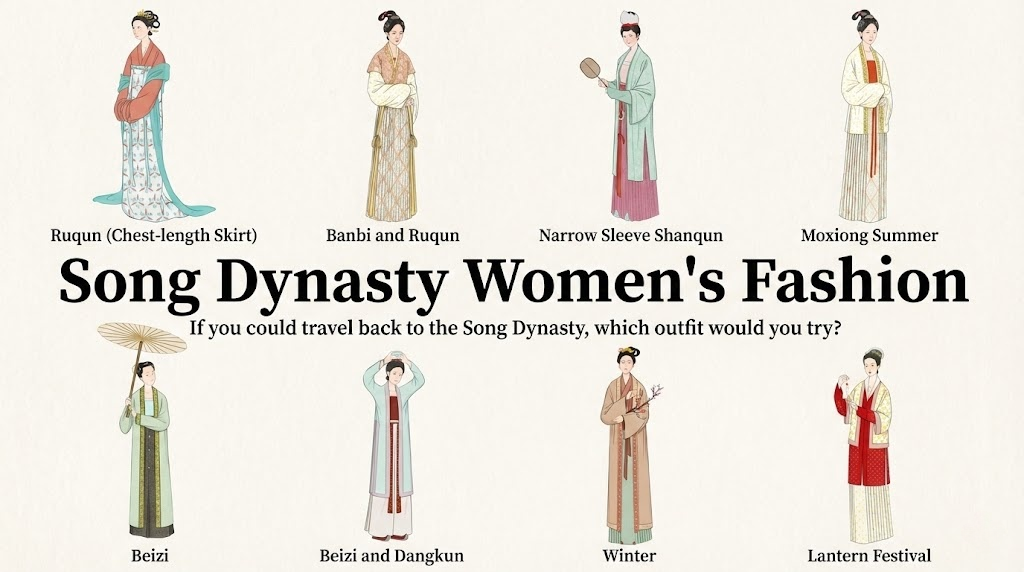
Over the past year, the styles I saw most frequently in Hangzhou shifted toward simpler cuts and softer colors. The Song aesthetic, influenced by Neo-Confucianism, prioritizes reason and inner cultivation. In fashion terms, this translates into straight, parallel lines that elongate the body.
The primary driver is the Beizi (褙子), a straight-collar jacket worn as an outer layer. Unlike the restrictive cross-collar robes of other eras, the Beizi hangs open, creating a vertical frame that functions exactly like a modern trench coat or duster cardigan.

Logistics & Payment: The Reality on the Ground
Before you attempt to buy authentic pieces in local markets, you need to have your digital logistics sorted.
1. Payment is Digital-Only
Most independent silk tailors in Hangzhou’s specialist markets do not accept foreign credit cards directly. In practice, having Alipay or WeChat Pay linked to an international card prevents payment failure.
- The Solution: Always carry 500 RMB in cash as a backup for older vendors, though digital is standard. Read our full 2026 Alipay setup guide for foreign travelers to understand the setup process.
2. Connectivity is Crucial
You will need to translate fabric compositions and negotiate prices in real-time. Do not rely on public Wi-Fi in markets. Get a China eSIM before you fly to ensure you have 5G access.
3. Internet Access
To verify styles on Instagram or check currency rates, ensure you have a reliable connection method. Check our Great Firewall Survival Guide 2025 for the current working tools.
Policy details may vary by region and are subject to change in 2026 without notice. Consult your local embassy before booking.
The Essential Song Wardrobe: What to Look For
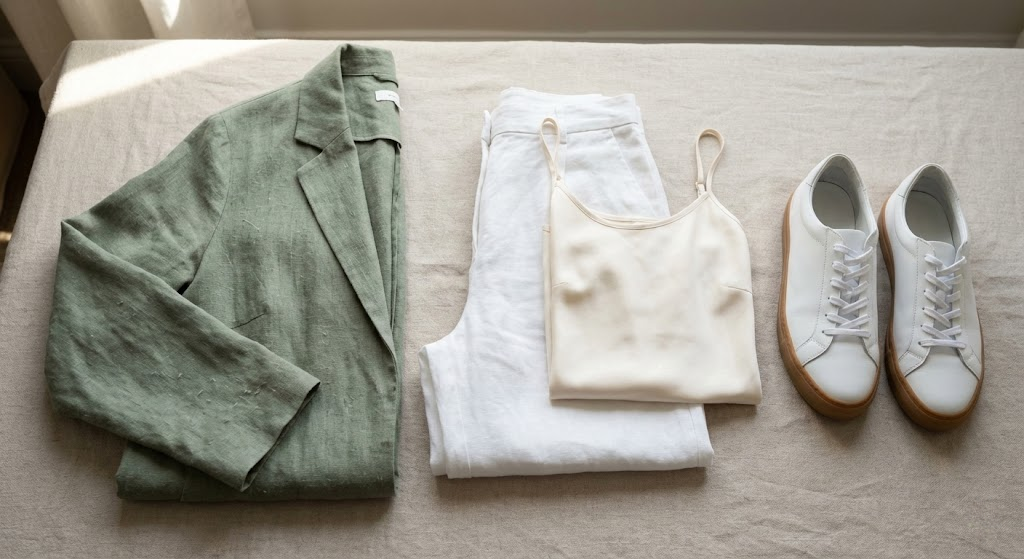
To build a functional Song aesthetic wardrobe, you do not need a full ceremonial set. You need three core components that function interchangeably with western clothing.
1. The Beizi (The Duster Coat)
The Beizi is the workhorse. It is a knee-length or calf-length outer jacket with a straight collar.
- Why it works: It functions like a lightweight trench.
- The Fit: It should be loose but straight. The sleeves can be wide, but for travel, choose the Zhaixiu (narrow sleeve) variant to prevent cuffs from dipping into your food.
2. The Song Pants (Song Ku)
Song women often wore trousers as outerwear. These are essentially wide-leg culottes.
- Travel Advantage: Unlike the restrictive “horse-face skirts” of the Ming Dynasty, Song pants allow you to hike up Huangshan or run for a train without restriction.
3. The Moxiong (The Camisole)
This is the base layer—a square-cut bodice. You do not need a “traditional” Moxiong. A high-quality Uniqlo Bratop serves the exact same visual purpose.
Quick Analysis: Is Song Style Right for You?
| Pros (Why Buy) | Cons (The Trade-offs) |
| Heat Management: Best historical style for 30°C+ weather. | Low Stretch: Authentic Ramie fabric has zero give; sizing must be exact. |
| Modern Fit: Beizi jackets look normal with jeans. | Wrinkling: Natural fibers require ironing or steaming after packing. |
| Mobility: Trousers allow for hiking and walking tours. | Restroom Logistics: Wide-leg pants require management in squat toilets. |
Fabrics and Authenticity: Avoiding the “Polyester Trap”
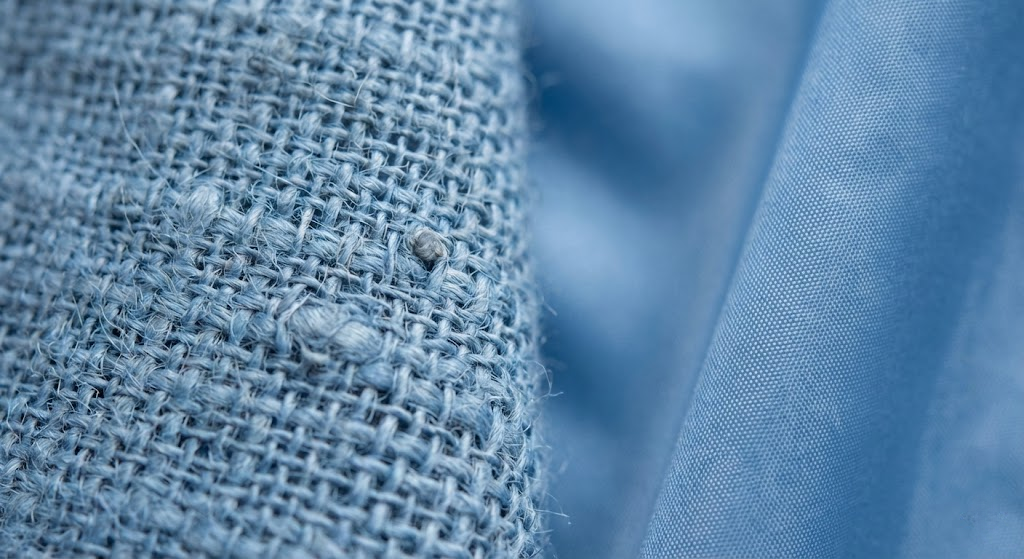
The biggest mistake foreign buyers make is prioritizing pattern over fabric. In this aesthetic, texture is everything. The entire “Quiet Luxury” vibe collapses the moment you introduce shiny, static-clinging polyester.
The Real-World Failure
During a previous trip, I met a Canadian traveler who bought a cheap 120 RMB set assuming it was linen because of the “matte” finish in the shop. The next morning, it melted slightly under a standard hotel iron. That is the polyester trap in action—if it feels “soapy” or slick, put it back.
The Material Trinity: Silk, Hemp, and Ramie
Authentic Song style relies on natural fibers that breathe.
- Ramie (China Grass): This is the gold standard for summer. It feels like a crisp, structured linen.
- Insider Note: One shop owner at the market specifically warned me that Ramie has zero stretch, so precise measurements are critical compared to softer cotton blends.
- Raw Silk: Look for matte finishes, not satin. Song silk was often woven with a subtle texture.
3 Common Silk Market Scams to Watch For
Even in reputable markets, “tourist pricing” exists. Watch out for these three specific tactics common in 2026:
- The “Sample Switch”: You try on a high-quality Ramie jacket, but the packaged one they hand you is a polyester blend. Counter-move: Always open the package and feel the fabric before paying.
- The “Pure Silk” Blend: Vendors may claim a fabric is “100% Silk” when it is actually a silk-cotton or silk-viscose blend. Counter-move: Ask the vendor for a loose thread or swatch to burn (or just ask for it—their reaction will tell you the truth). If they refuse or get angry, it’s a blend.
- The Deposit Trap: For custom tailoring, some shops ask for 80% upfront and then delay delivery past your departure date. Counter-move: Never pay more than 30% deposit for custom work. Pay the rest only upon pickup and inspection.
Step-by-Step: Buying Song Hanfu in Hangzhou
If you are serious about quality, the China Silk City on Xinhua Road in Hangzhou remains the most reliable starting point. Here is the protocol for 2026:
Rapid Checklist: Before You Go to Silk City
- Alipay/WeChat Pay linked to international card.
- 500 RMB cash (backup for elderly vendors).
- Translation App installed (offline mode enabled).
- Screenshot of the Price Tier Table (below).
- Arrive before 11:00 AM to beat tour buses.
Step 1: Timing Your Visit
- Golden Week Warning: Local travelers often recommend avoiding Hangzhou Silk City during the May Day (early May) and National Day (early Oct) holidays. Prices inflate by 30%, and tailoring services are overbooked.
- Daily Timing: Go on a Tuesday or Wednesday morning before 11:00 AM.
- Strategic Stay: To make the most of an early start, consider Find hotels on Trip.com near Wulin Square, which is walking distance to the silk district.
Step 2: Know Your Tier (The Price Check)
Use this tier system to quickly identify where a stall sits before you negotiate. The following prices reflect quotes I gathered across five different stalls in China Silk City in early 2026.
| Tier | Expected Price (RMB) | Material | Wait Time | Best For |
| Tourist Grade | 80 – 150 RMB | Polyester / Chiffon Blend | Immediate | One-time photo shoots |
| Market Standard | 250 – 450 RMB | Linen / Cotton Blend | Immediate | Daily casual wear |
| Semi-Custom | 500 – 900 RMB | Ramie / Low-Grade Silk | 24 – 48 Hours | Serious travelers & Summer comfort |
| High-End Bespoke | 1,500+ RMB | Pure Mulberry Silk | 7+ Days | Collectors & Formal events |
Step 3: The Negotiation
- Start by asking for the “Wholesale Price” (Pi Fa Jia).
- Vendor Psychology: One vendor quietly told me that tourists who ask too many historical questions (like “Is this authentic 1127 AD style?”) are often quoted higher prices. Sellers assume they are buying a costume for photos rather than clothing for daily wear. Focus your questions on fabric care and durability instead.
- A custom silk/linen blend Beizi should cost 400–800 RMB ($55–$110 USD).
Step 4: Transport Logistics
- Station Choice: When arriving, Hangzhou East (Dong) is the primary HSR hub.
- Booking Window: Tickets sell out fast. Book High-Speed Rail at least 3–5 days in advance, even on regular weekends.
Online Sourcing: The Keyword Game
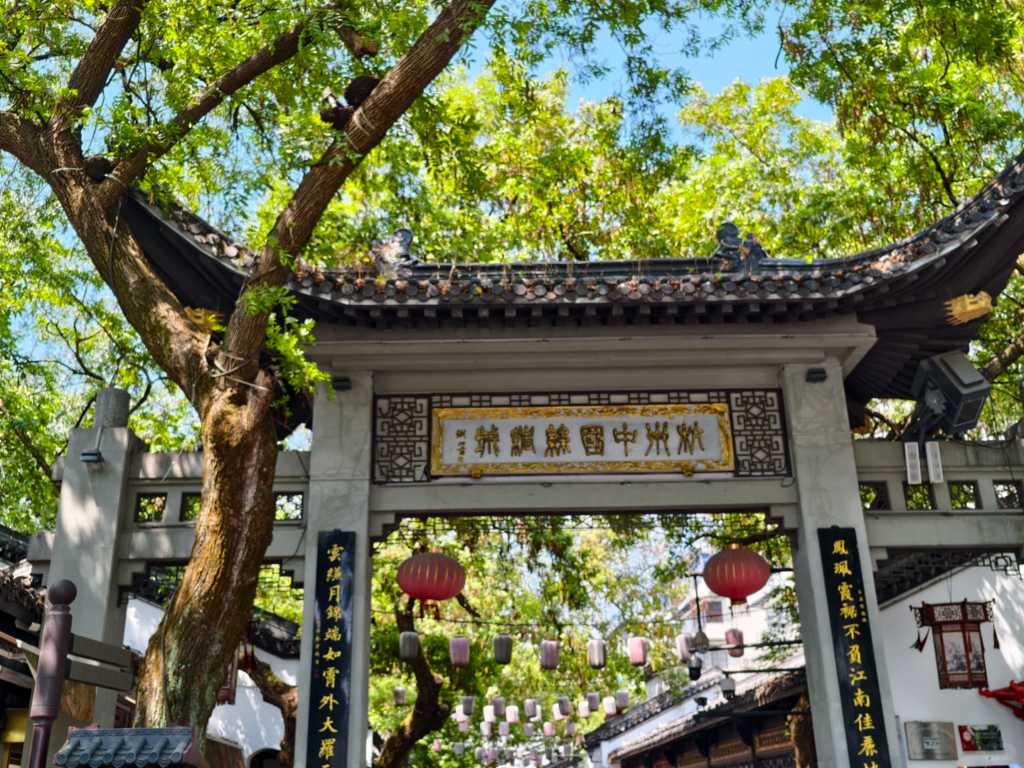
If you are ordering to your hotel via Taobao or JD.com, you must use the correct Mandarin search terms to filter out cosplay costumes.
- Search for:
宋制汉服(Song Style Hanfu) +日常(Daily/Casual) +极简(Minimalist). - Avoid: Any item with the keyword
仙(Fairy) or古装(Ancient Costume). These keywords trigger the algorithm to show you cheap polyester photo props. - Top Brands: Look for shops that photograph their clothes on streets or in cafes, not in fantasy studios with smoke machines.
How to Style Song Hanfu for Modern Life
The goal is integration, not replication.
The “Hanfu x Streetwear” Formula
- Top: Wear a sheer Ramie Beizi over a simple white t-shirt.
- Bottom: Pair it with high-waisted denim jeans or black slack trousers.
- Shoes: Skip the embroidered boots. Wear white minimalist sneakers or loafers.
Office Appropriate
A charcoal Beizi worn over business casual attire functions like a blazer but is far more breathable in the humid Chinese summer. It commands respect without demanding attention.
Mistakes to Avoid
- Oversizing: Do not buy a Beizi three sizes too big thinking it looks “flowy.” The shoulder seam must hit your actual shoulder. If it droops, you look sloppy, not elegant.
- Mixing Dynasties: Do not wear a Song Beizi with a Ming Dynasty pleated skirt. The silhouettes clash—one is slim and vertical, the other is A-line and structured. It’s like wearing a tuxedo jacket with cargo shorts.
Risks and Warnings
1. The “White” Warning
While white is traditionally associated with mourning in classical culture, modern fashion in Tier 1 cities is flexible. Still, breaking up an all-white look with a colored sash or dark trousers adds visual depth and ensures you stay culturally appropriate in conservative areas.
2. Sizing Issues
Song silhouettes are “H-shaped.” They are not forgiving if they are too tight at the hips. Always size up if you are between sizes; the drape should be loose.
3. Public Restrooms
If you wear the full set with wide-leg trousers, bring a hair tie or “hem clip” to secure your layers before using a squat toilet. This is a practical travel hack that saves the day.
Conclusion
The resurgence of Song-style Hanfu isn’t just a trend; it’s a return to breathable, rational clothing. It replaces heavy layering with breathable, structured lines suited for the humidity of Southern China.
You do not need historical knowledge to wear a linen Beizi effectively. Whether you are strolling through the Longjing tea fields or rushing to a meeting in Shenzhen, this silhouette works because it prioritizes comfort.
Secure your rail ticket early to ensure you arrive in time for the morning markets, and stay near Wulin Square for easy access to tailoring pickup. Do not rush this purchase—quality Ramie pieces sell out quickly in summer months, so plan at least one full morning for fabric comparison to find a piece that truly lasts.
FAQ: Frequently Asked Questions
-
Is Song-style Hanfu comfortable for walking all day?
Yes. Unlike the heavy layers of the Ming or Tang eras, Song-style Hanfu is lightweight and typically features wide-leg trousers (Song Ku), making it widely considered the most practical historical style for walking tours and summer travel.
-
Can I wear Song-style Hanfu on public transport or at temples?
Yes. It is treated as respectful cultural clothing, not a costume. Avoid obstructing aisles with wide sleeves, and choose muted colors (avoiding bright reds) for temple visits to show respect.
-
Do small silk vendors in Hangzhou accept cash?
Legally yes, though in practice many vendors prefer digital payment and may not have change for large bills. Linking Alipay to your international card is the smoothest option.
-
Is Song-style Hanfu suitable for very hot weather?
Yes. The open front of the Beizi and the wide legs of the Song Ku allow for maximum airflow, unlike the wrapped layers of the Tang or Ming dynasties.
-
Do I need to book an appointment to visit fabric markets?
No. Markets like China Silk City are open to the public. However, arrive before 10:00 AM to get the tailors’ full attention before the tour groups arrive.
-
Can I wash Song-style Hanfu fabrics in a hotel sink?
If it is Ramie or Cotton, yes (cold water, drip dry). If it is Real Silk, absolutely not—it will shrink and water-stain. Use a dry cleaner.
-
Is it offensive for foreigners to wear Hanfu?
No, it is welcomed as cultural appreciation. However, in conservative rural areas, extremely dramatic styling may attract attention. In major cities, it is standard fashion. If you are looking for other cultural experiences, consider the Night Tour in the Humble Administrator’s Garden in nearby Suzhou.